
The fascinating music of Jules Massenet in his opera Werther, based on the epistolary novel Die Leiden des jungen Werthers by Johann Wolfgang von Goethe, dates back to 1886. Following the success of Manon, Massenet attended the Bayreuth Festival accompanied by his publisher, Georges Hartmann, who gave him a French translation of Werther to read during the journey. There, immersed in the music of Richard Wagner and in the spirit of German Romanticism, he conceived the desire to bring the tormented story of the young poet to the operatic stage.
Considered the heir to Charles Gounod, Massenet incorporated Wagner’s leitmotif technique into Werther, though filtered through a subtler, more elegant, and distinctly French musical language. The result was a score of profound emotional intensity, in which restrained passion and melancholic lyricism achieve a balance of extraordinary beauty.
The enduring fascination of this story lies in its relentless pursuit of the absolute and in the fatality that drives its protagonist toward suicide. Paradoxically, the immense success of the novel also gave rise to a disturbing social phenomenon: beginning in 1775, Europe witnessed a wave of suicides inspired by Goethe’s romantic hero. The impact was so significant that the phenomenon would later be widely studied by sociologists and psychologists under the name “the Werther effect.”
The publication of the novel transformed Goethe into one of Europe’s first great literary celebrities. The author himself later acknowledged, in an early version of his Römische Elegien, that some of the sufferings of his youth had served as inspiration for the creation of Werther.
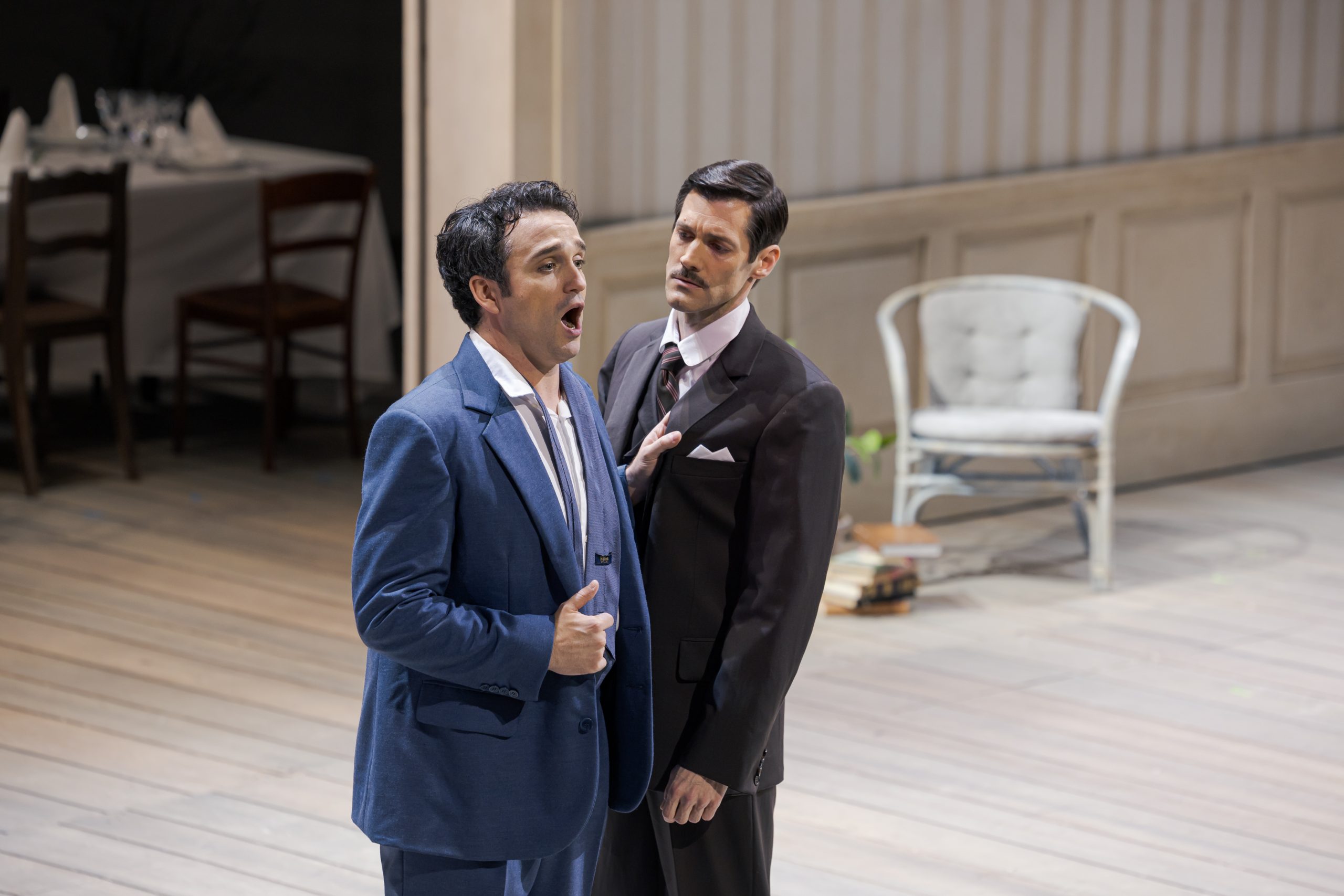
From the fascinating story of the young poet also emerge memorable performances, such as the one offered last Thursday by the tenor from San Sebastián Xabier Anduaga. Making his debut in the demanding French role of Werther at the Gran Teatre del Liceu, the singer left no one indifferent. The velvety beauty of his timbre moved the audience from his very first line, “Alors, c’est bien ici la maison du Bailli?” To this he added remarkable dramatic sincerity, natural elegance, and refined musicality, qualities that make him a truly complete artist. His interpretation of the celebrated aria “Pourquoi me réveiller” only reinforced the overall impression: that of a voice destined to establish itself among the leading figures of today’s lyric repertoire.
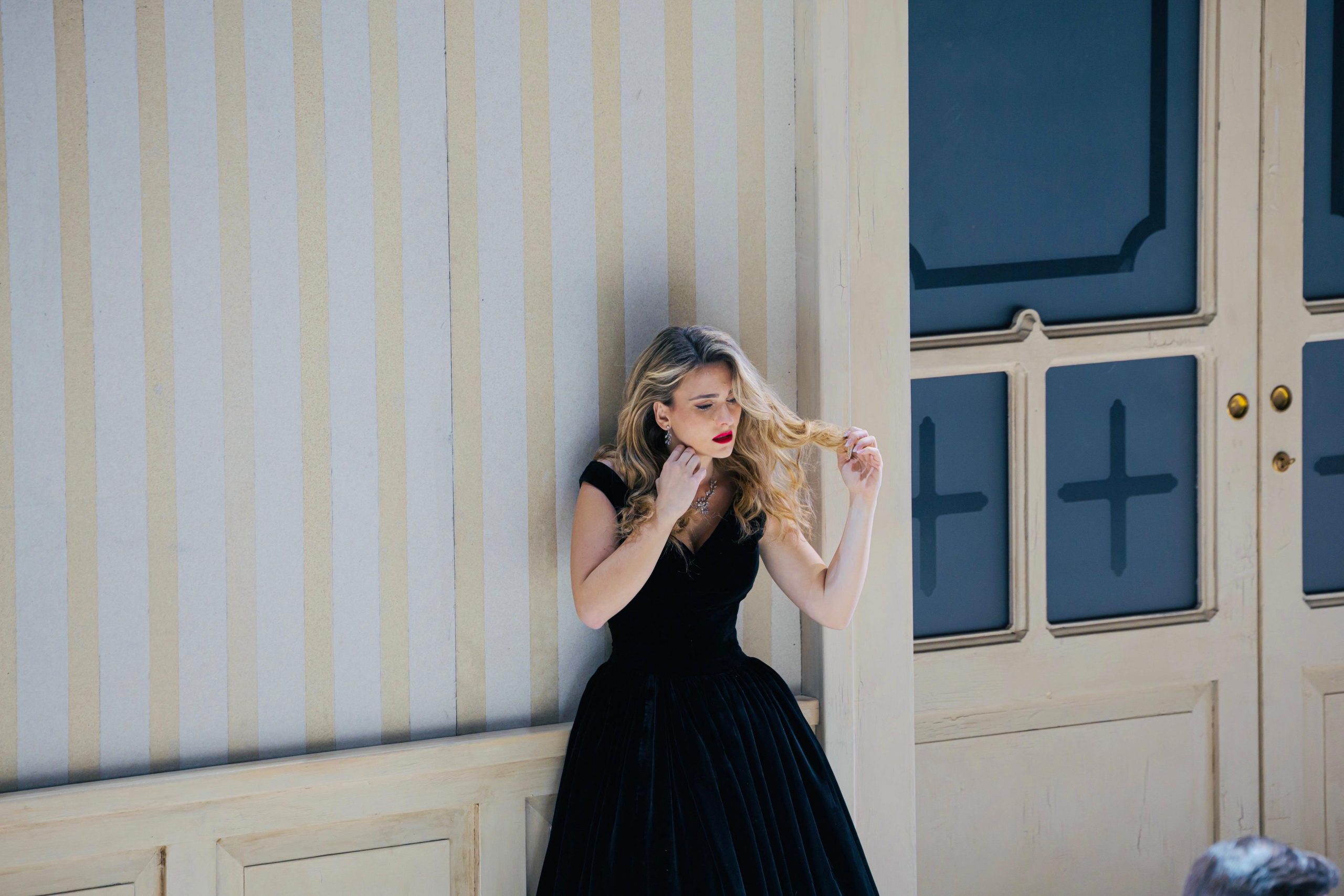
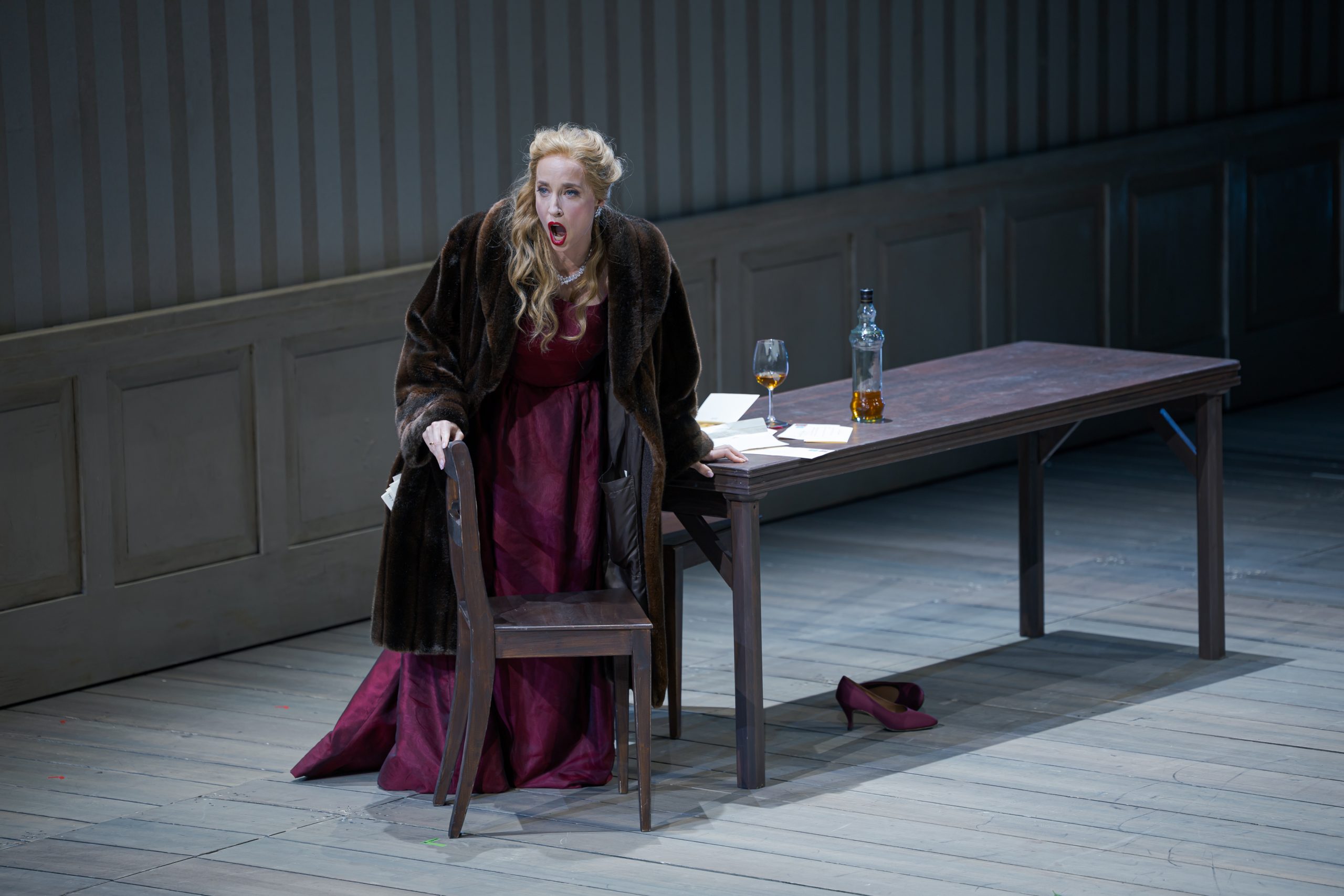
Equally magnificent was the Charlotte of mezzosoprano Kristina Stanek. Her solid technical command and deep understanding of the character were evident throughout the entire performance. The dark, enveloping colour of her voice lent considerable dramatic intensity to the role, especially in “Je vous écris de ma petite chambre”.
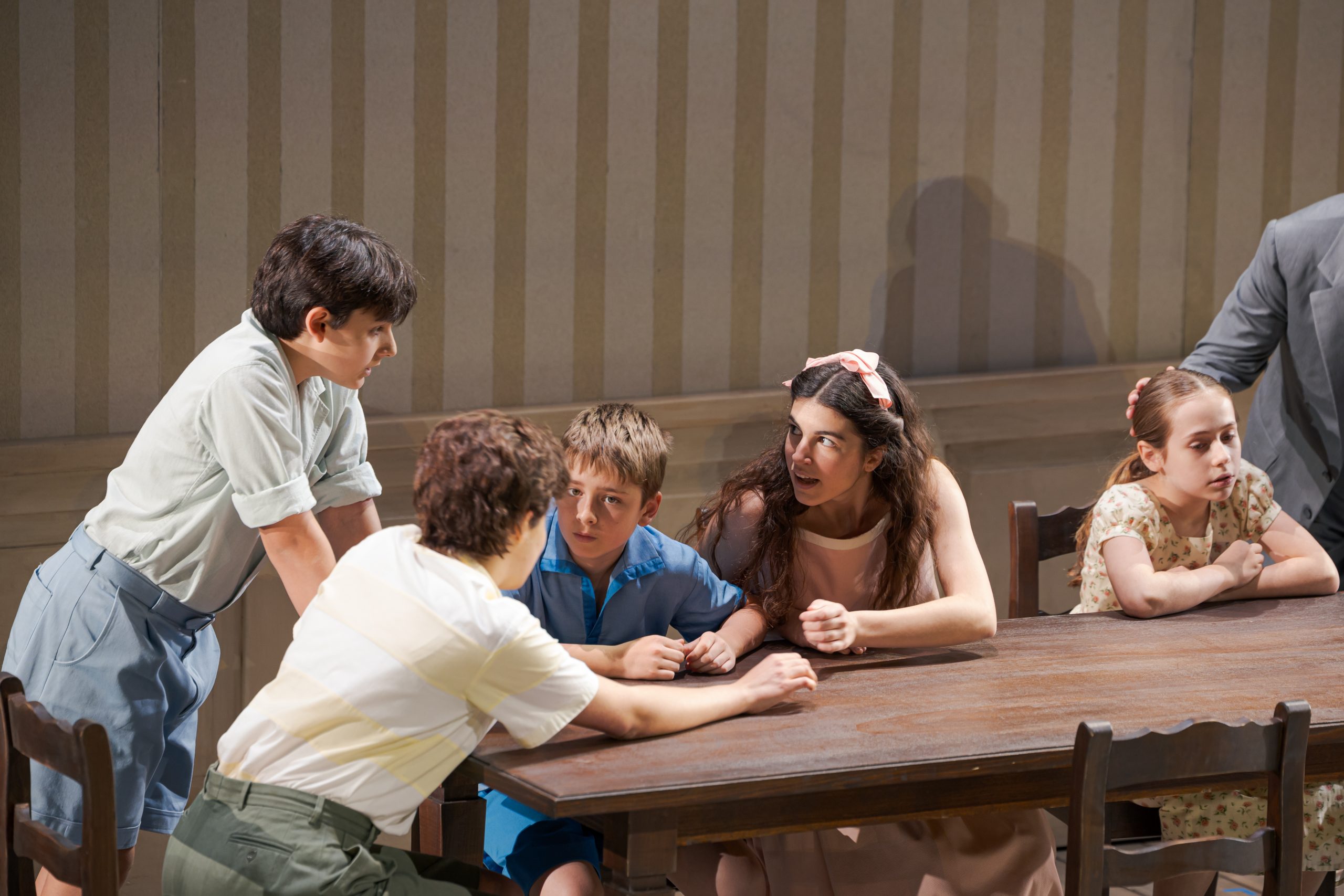
The excellence of this carefully assembled cast also extended to the Navarrese soprano Sofía Esparza, who was likewise making her debut at Gran Teatre del Liceu. Her Sophie was undoubtedly one of the revelations of the evening. With an impeccable and meticulously crafted interpretation, Esparza paid close attention to every gesture and musical phrase. Her delicately lyrical voice brought to life a youthful, empathetic, and radiant character, effortlessly winning over the Liceu audience. The beautiful filati displayed throughout her interventions revealed a singer of great sensitivity and promising artistic projection. Although the role itself is relatively brief, it proved more than sufficient to confirm the quality of an artist one hopes to hear again soon on the Catalan stage.
Special mention should also be made of baritone David Oller as Albert, notable both for his solid stage presence and for the clarity of the text. Likewise, Stefano Palatchi portrayed a warm and vocally mature Le Bailli, performing the role with authority and humanity. The duo formed by Josep Fadó (Schmidt) and Enric Martínez-Castignani (Johann) provided an excellent counterbalance to the opera’s dramatic tension. Their perfectly coordinated interventions brought the necessary lightness and humour characteristic of a circle of friends, naturally balancing the work’s more emotionally intense moments.
Particular praise must also go to the Orchestra of the Gran Teatre del Liceu under the baton of Henrik Nánási, whose reading stood out for its superb control of dynamics and sonic balance, allowing the solo voices to be heard with complete clarity at all times. The orchestra also shone through the richness of its orchestral colours. Equally noteworthy was the participation of the Cor Vivaldi – Petits Cantors de Catalunya, whose young singers delivered interventions of remarkable musicality, excellent intonation, and notable interpretative quality.
The magnificent stage direction of Christof Loy left no one indifferent. The visual austerity of the scenes and the constant interplay between the external and the intimate revealed a theatrical conception in which, indeed, less is more. Loy builds dramatic truth through carefully crafted emotional trajectories, sensitively exploring the psychology of the characters while adapting the work’s intimacy to each performer’s expressive possibilities. The result was a production of remarkable subtlety and dramatic depth, once again confirming the mastery of a fully established director who, far from resting on his achievements, continues to surprise through the intelligence and refinement of his stage interpretations.
Spanish Version:
La fascinante música de Jules Massenet en su ópera Werther, basada en la novela epistolar Die Leiden des jungen Werthers de Johann Wolfgang von Goethe, tiene su origen en 1886. Tras el éxito de Manon, Massenet asistió al Bayreuth Festival acompañado de su editor, Georges Hartmann, quien le obsequió una traducción francesa de Werther para amenizar el viaje. Allí, inmerso en la música de Richard Wagner y en el espíritu del Romanticismo alemán, nació en él el deseo de llevar a escena la atormentada historia del joven poeta.
Considerado heredero de Charles Gounod, Massenet incorporó en Werther la técnica wagneriana del leitmotiv, aunque depurada por una escritura más sutil, elegante y refinadamente francesa. El resultado fue una partitura de intensa carga emocional, donde la pasión contenida y el lirismo melancólico encuentran un equilibrio de extraordinaria belleza.
La atracción por esta historia reside en su incesante búsqueda del absoluto y en la fatalidad que conduce al protagonista hacia el suicidio. Paradójicamente, el enorme éxito de la novela provocó también un fenómeno social inquietante: desde 1775 se registró en Europa una oleada de suicidios inspirados en el héroe romántico creado por Goethe. El impacto fue tal que el episodio acabaría siendo ampliamente estudiado por sociólogos y psicólogos bajo el denominado “efecto Werther”.
La publicación de la novela convirtió a Goethe en una de las primeras grandes celebridades literarias de Europa. El propio autor reconocería más tarde, en una primera versión de sus Römische Elegien, que parte de los sufrimientos de su juventud sirvieron de inspiración para la creación de Werther.
De la fascinante historia del joven poeta nacen también interpretaciones memorables, como la ofrecida el pasado jueves por el tenor donostiarra Xabier Anduaga. El cantante, que debutaba el exigente rol francés de Werther en el Gran Teatre del Liceu, no dejó indiferente a nadie. La belleza aterciopelada de su timbre emociona desde su primera intervención, «Alors, c’est bien ici la maison du Bailli?». A ello se suma una honestidad escénica, una elegancia natural y una musicalidad refinada que lo convierten en un intérprete de notable completitud. Su interpretación de la célebre aria «Pourquoi me réveiller» no hizo sino confirmar la impresión general: la de una voz destinada a consolidarse entre las grandes figuras del repertorio lírico actual.
Magnífica fue también la Charlotte de la mezzosoprano Kristina Stanek. El sólido dominio técnico de la cantante y su profundo conocimiento del personaje quedaron patentes a lo largo de toda la representación. El color oscuro y envolvente de su voz otorgó gran intensidad dramática al rol, especialmente en «Je vous écris de ma petite chambre».
La excelencia de un reparto cuidadosamente escogido se extendió asimismo a la soprano navarra Sofía Esparza, quien debutaba igualmente en el teatro barcelonés. Su Sophie fue, sin duda, una de las revelaciones de la noche. Con una interpretación impecable y minuciosamente construida, Esparza cuidó cada gesto y cada frase musical. Su voz, de delicado lirismo, dio vida a un personaje juvenil, empático y luminoso, conquistando con naturalidad al público del Liceu. Los bellos filados, presentes en todas sus intervenciones, dejaron entrever una cantante de gran sensibilidad y prometedora proyección artística. Pese a la brevedad del personaje, bastó para confirmar la calidad de una intérprete a la que sería deseable volver a escuchar pronto en el coliseo catalán.
Cabe mencionar también al barítono David Oller en el rol de Albert, destacando tanto su sólida presencia escénica como la clara dicción del texto. Asimismo, Stefano Palatchi compuso un Le Bailli de gran calidez y madurez vocal, defendiendo el rol con autoridad y cercanía. El duetto formado por Josep Fadó (Schmidt) y Enric Martínez-Castignani (Johann) aportó un magnífico contrapunto a la tensión dramática de la obra. Sus intervenciones, perfectamente compenetradas, añadieron la necesaria ligereza y comicidad propia de un grupo de amigos, equilibrando con naturalidad los momentos de mayor intensidad emocional.
Mención especial merece también la Orquesta Sinfónica del Gran Teatre del Liceu, dirigida por Henrik Nánási, cuya lectura destacó por el excelente control de volúmenes y el equilibrio sonoro, permitiendo escuchar con nitidez a las voces solistas en todo momento. La orquesta brilló además por la riqueza de colores. Igualmente destacable fue la participación del Cor Vivaldi – Petits Cantors de Catalunya, cuyos jóvenes cantores ofrecieron intervenciones de gran musicalidad, afinación y notable calidad interpretativa.
La magnífica dirección escénica de Christof Loy no dejó indiferente a nadie. La depuración visual de las escenas y el constante juego entre lo externo y lo íntimo evidenciaron una concepción teatral donde, efectivamente, menos es más. Loy construye la verdad dramática a través de precisos recorridos emocionales, explorando con sensibilidad la psicología de los personajes y adaptando la intimidad de la obra a las posibilidades expresivas de cada intérprete. El resultado fue una propuesta de gran sutileza y hondura teatral, confirmando una vez más la maestría de un director plenamente consolidado que, lejos de acomodarse, continúa sorprendiendo por la inteligencia y refinamiento de sus lecturas escénicas.