ARTICLES

Patrice Chéreau: The Visionary Who Revolutionized the Opera Stage
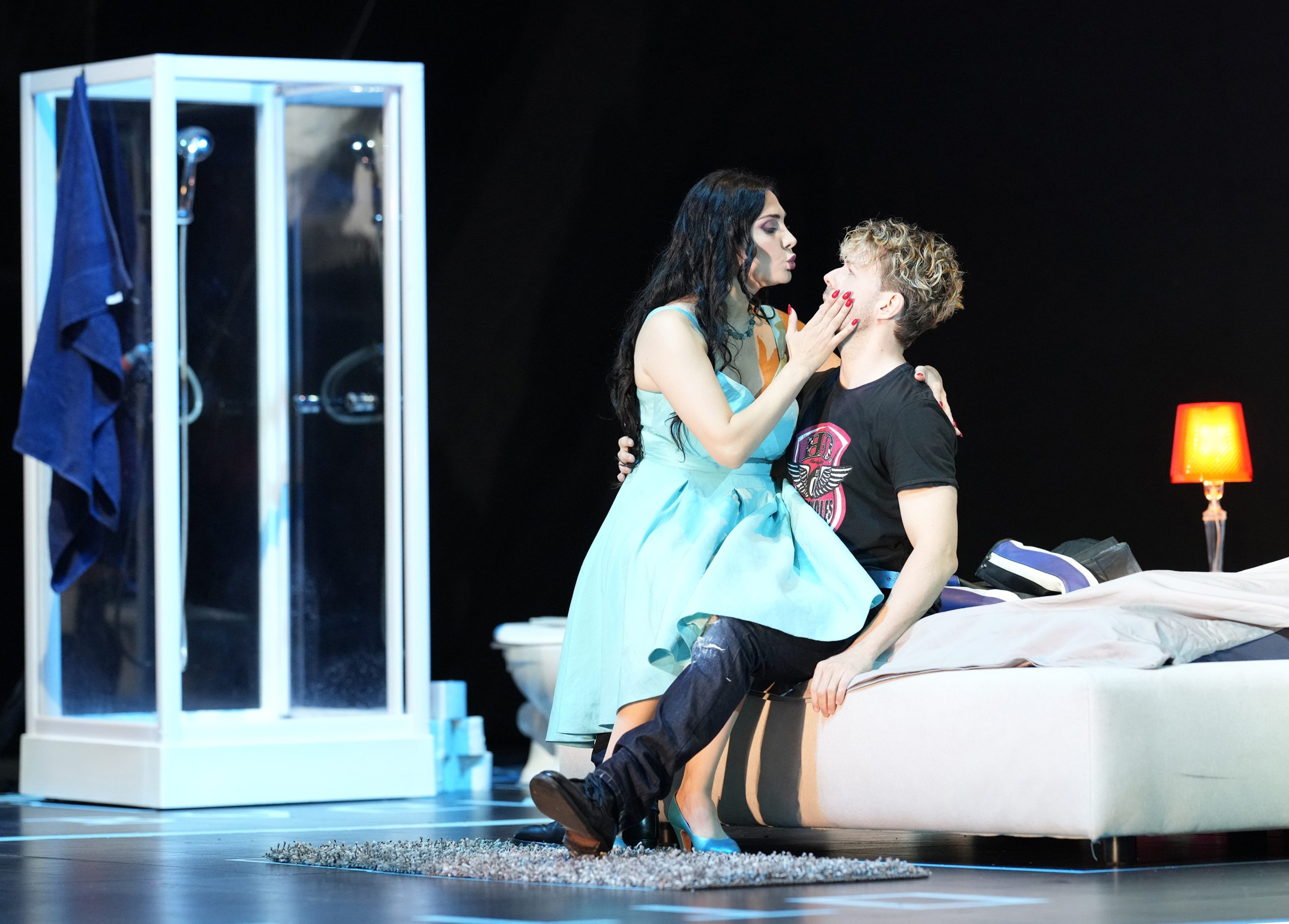
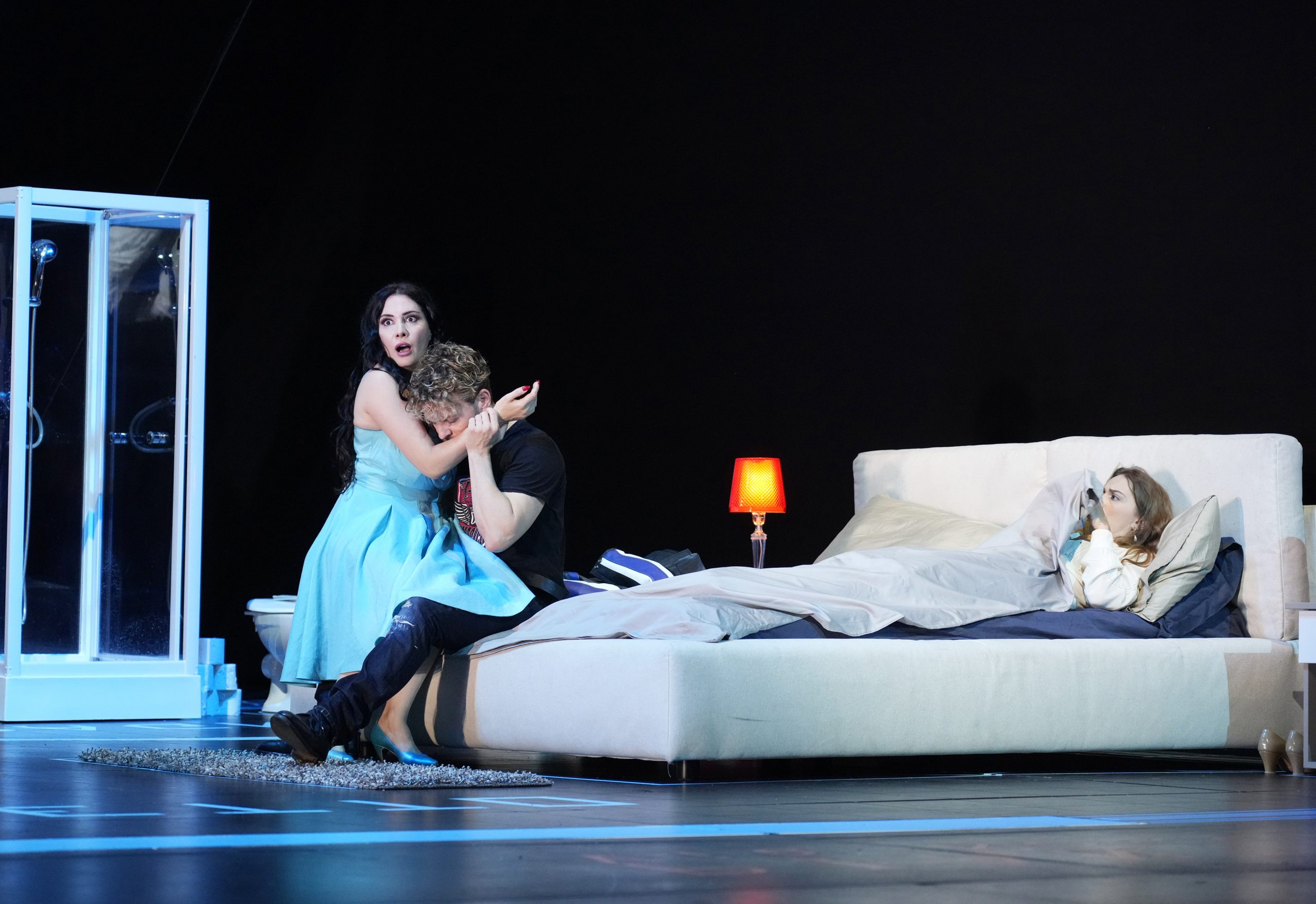
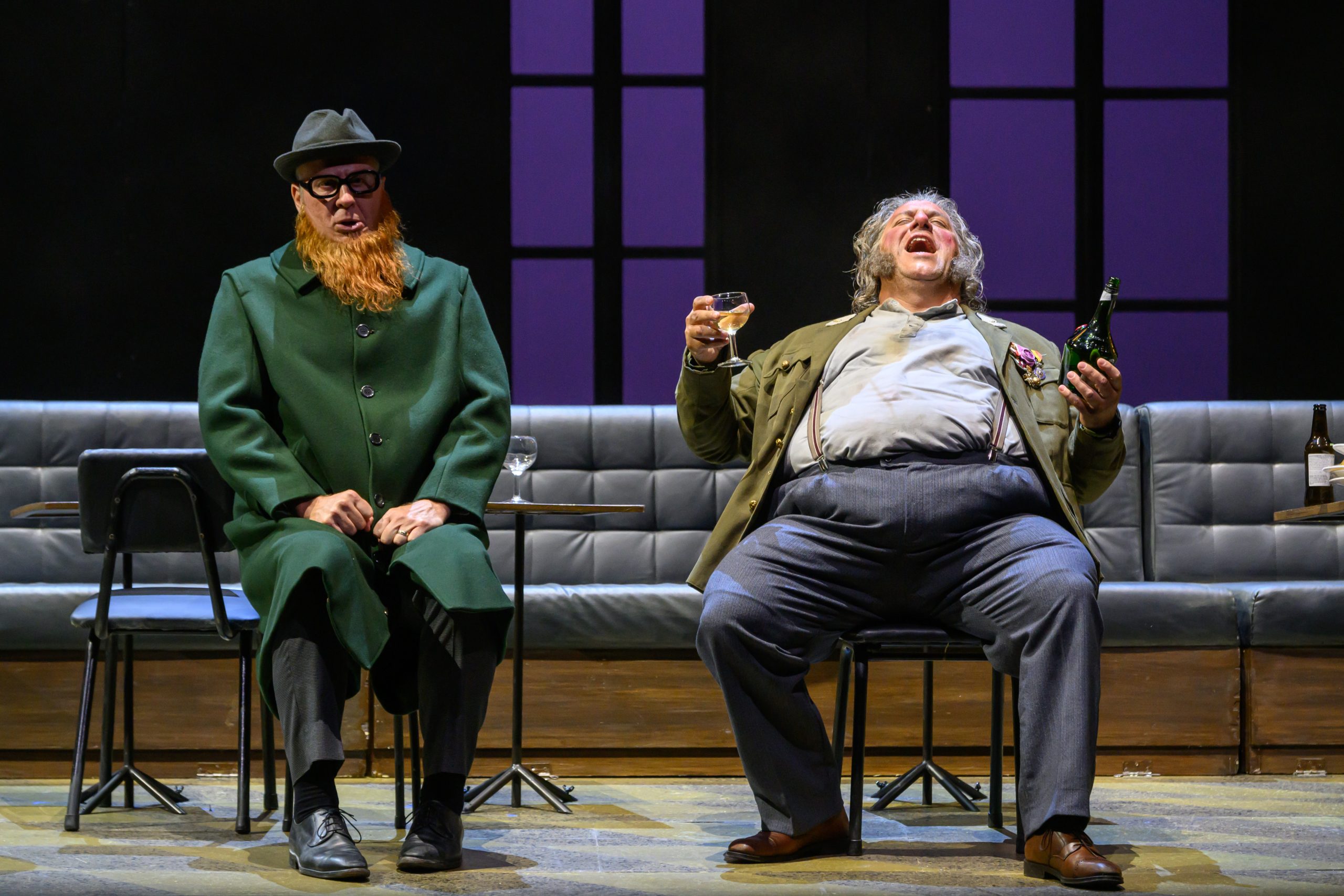
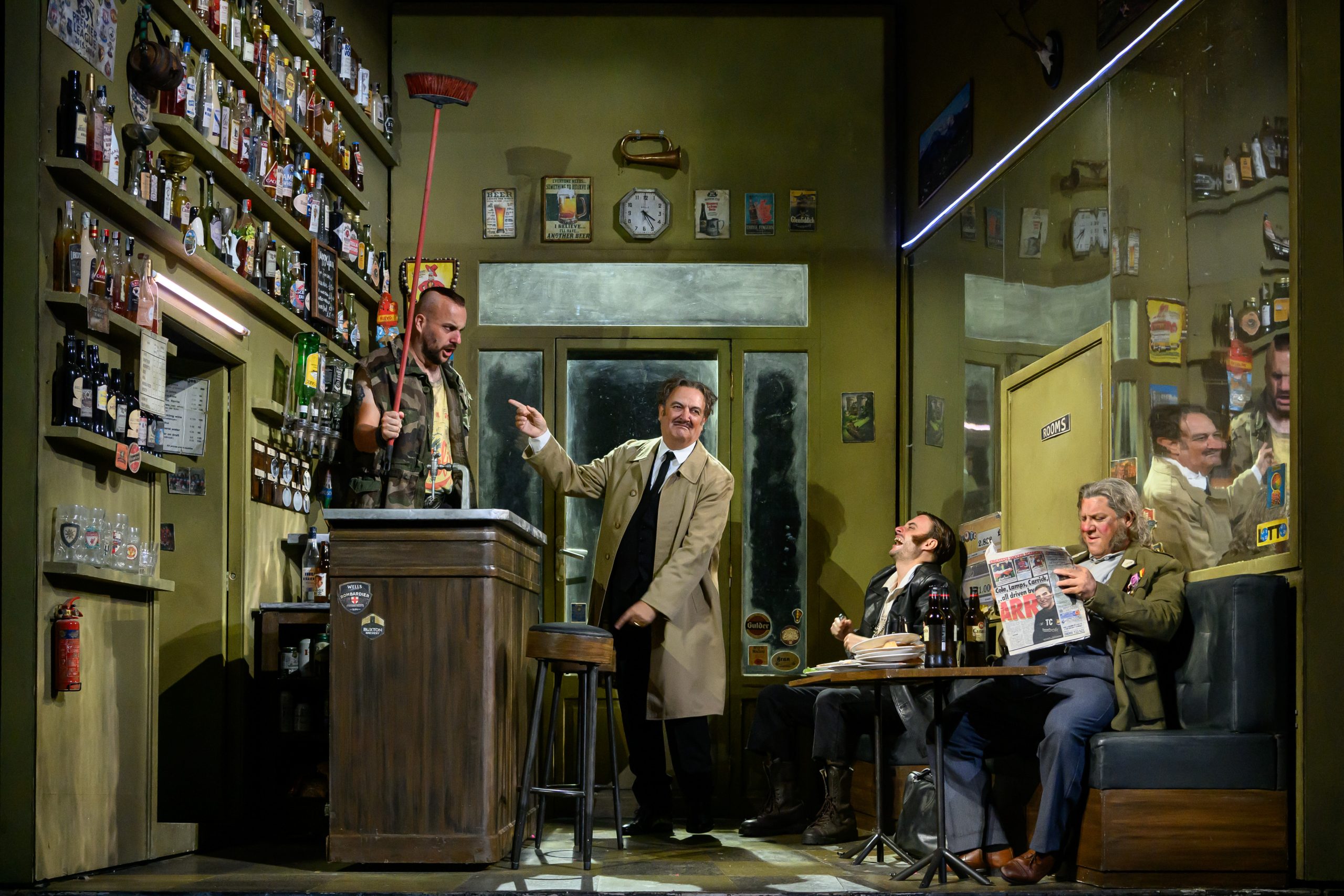
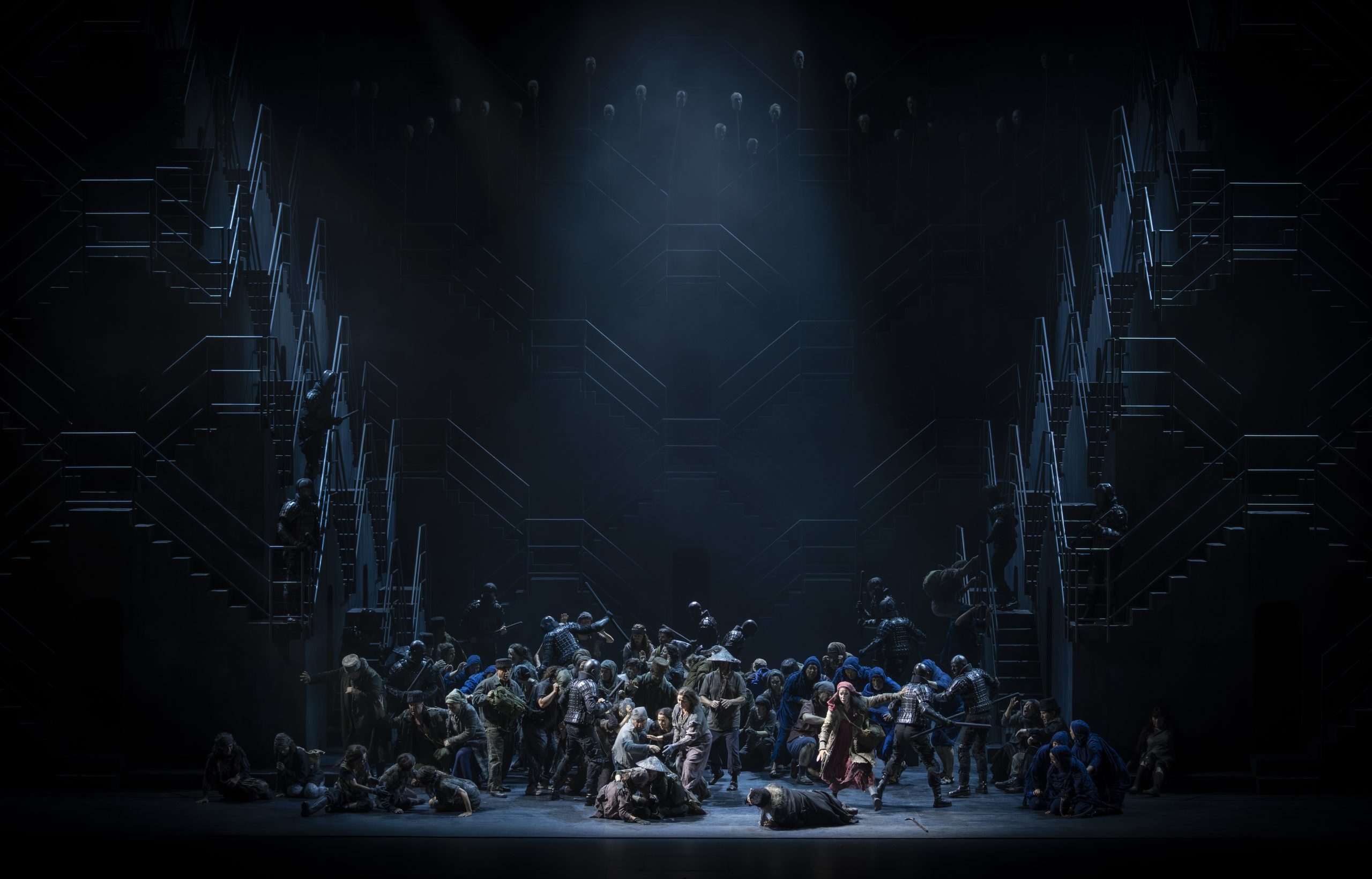
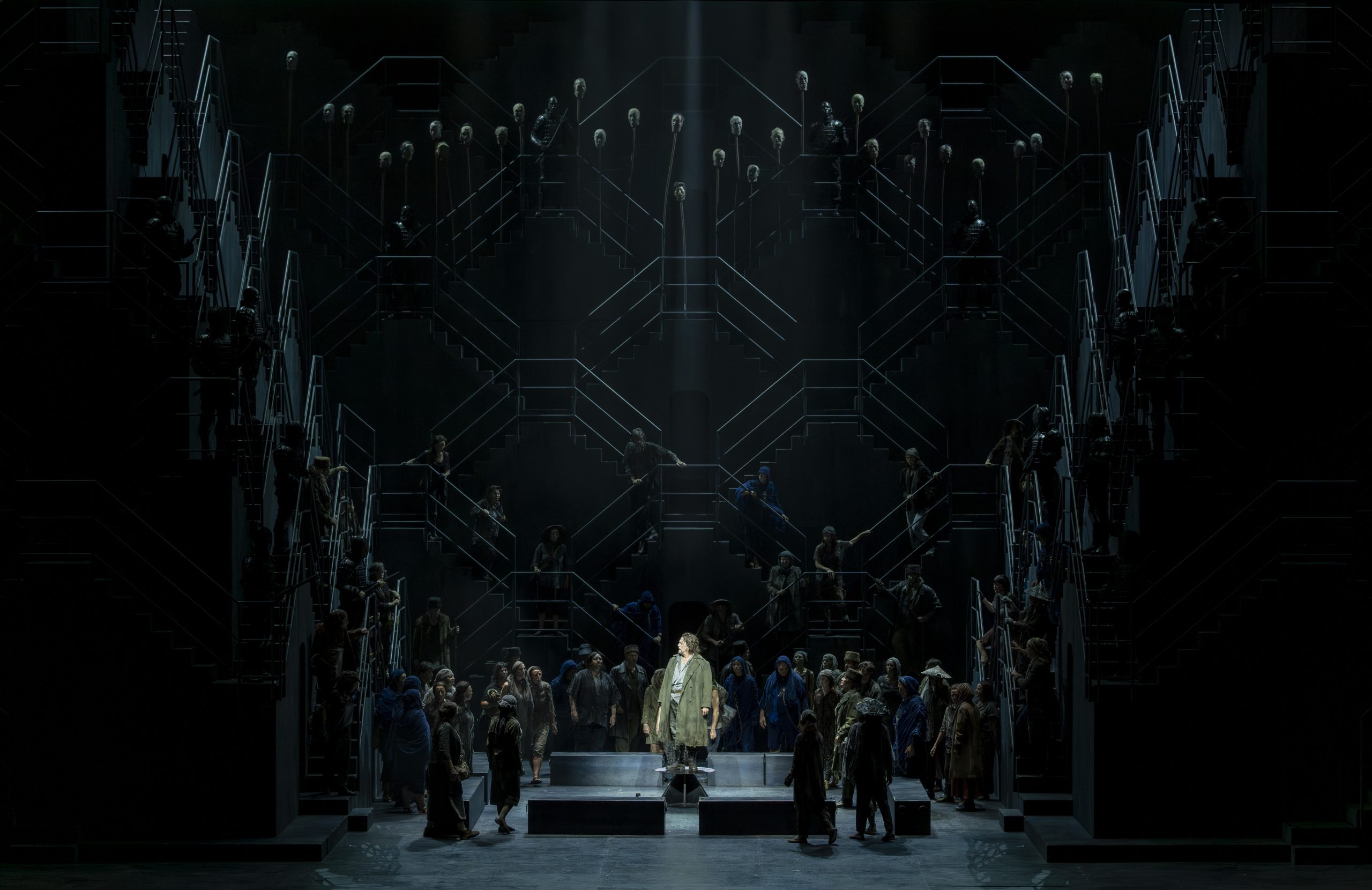
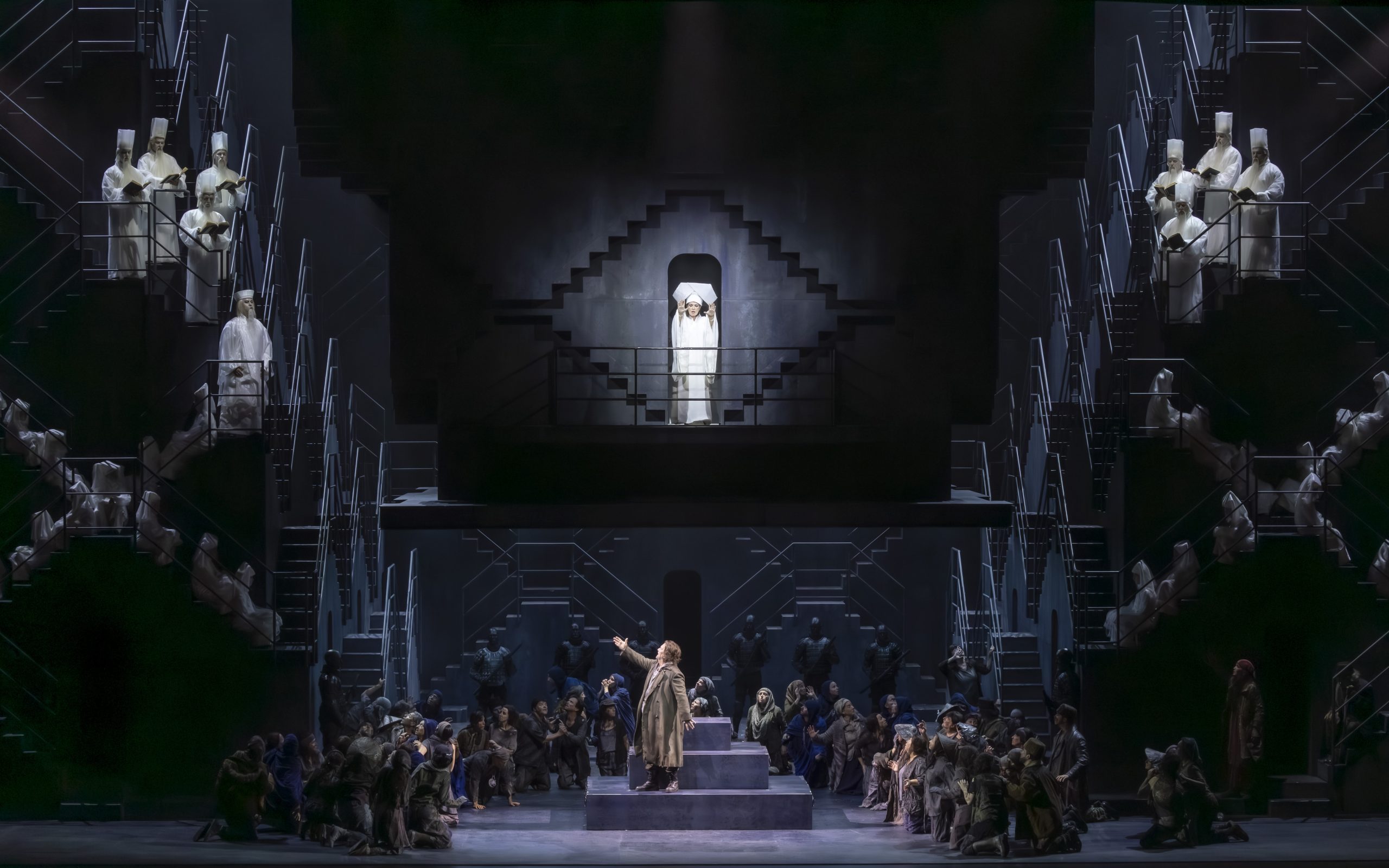
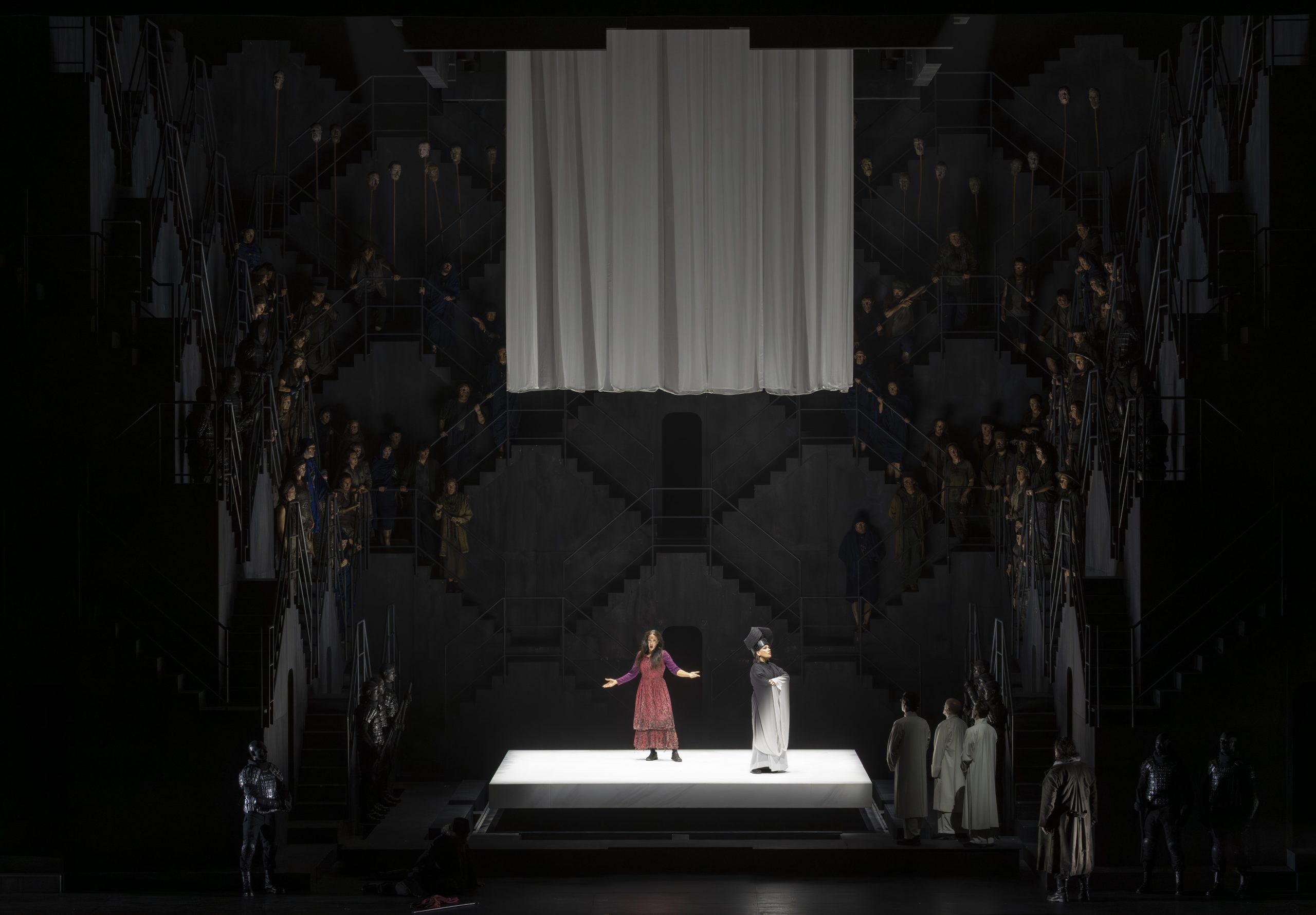
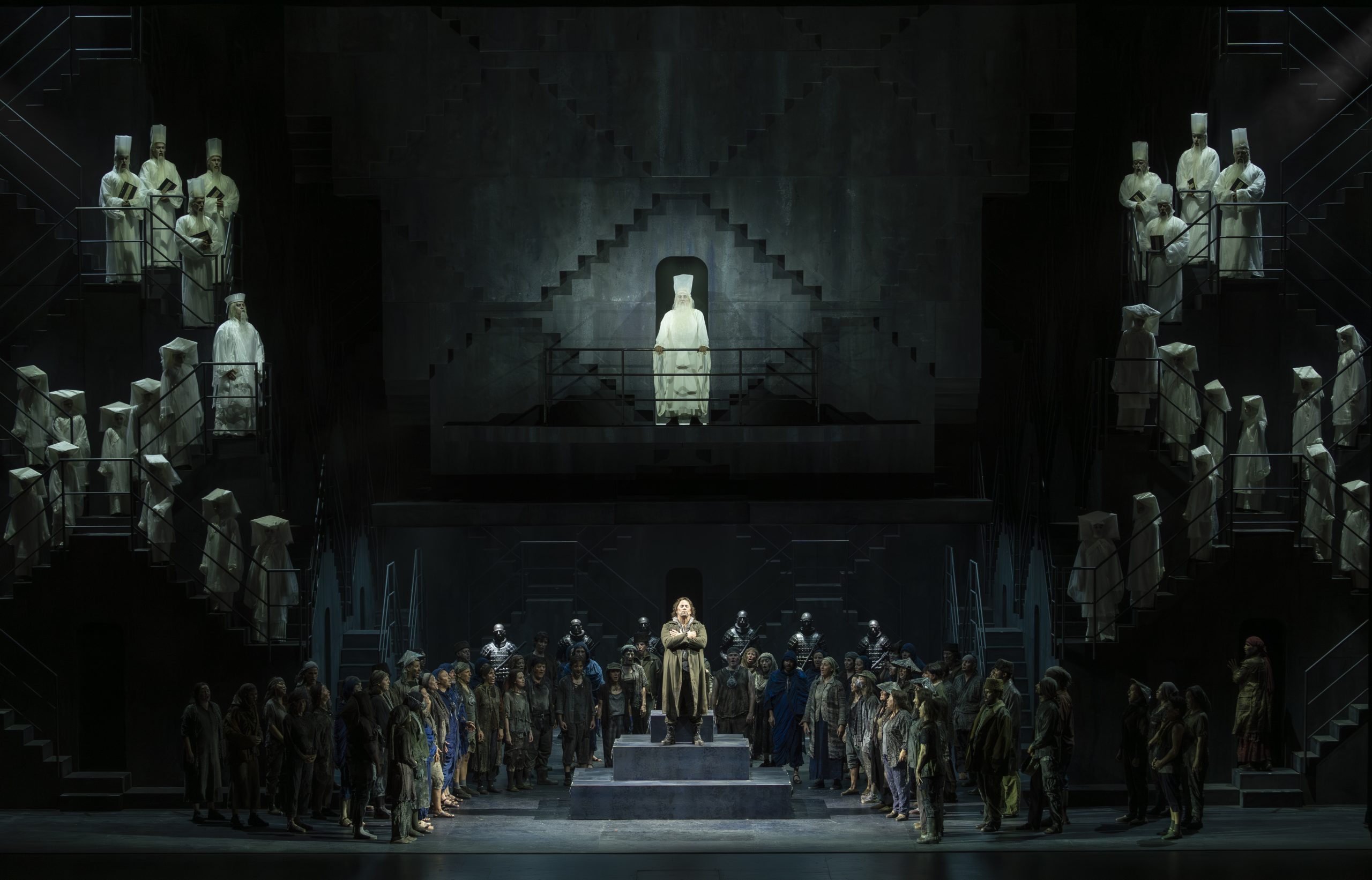
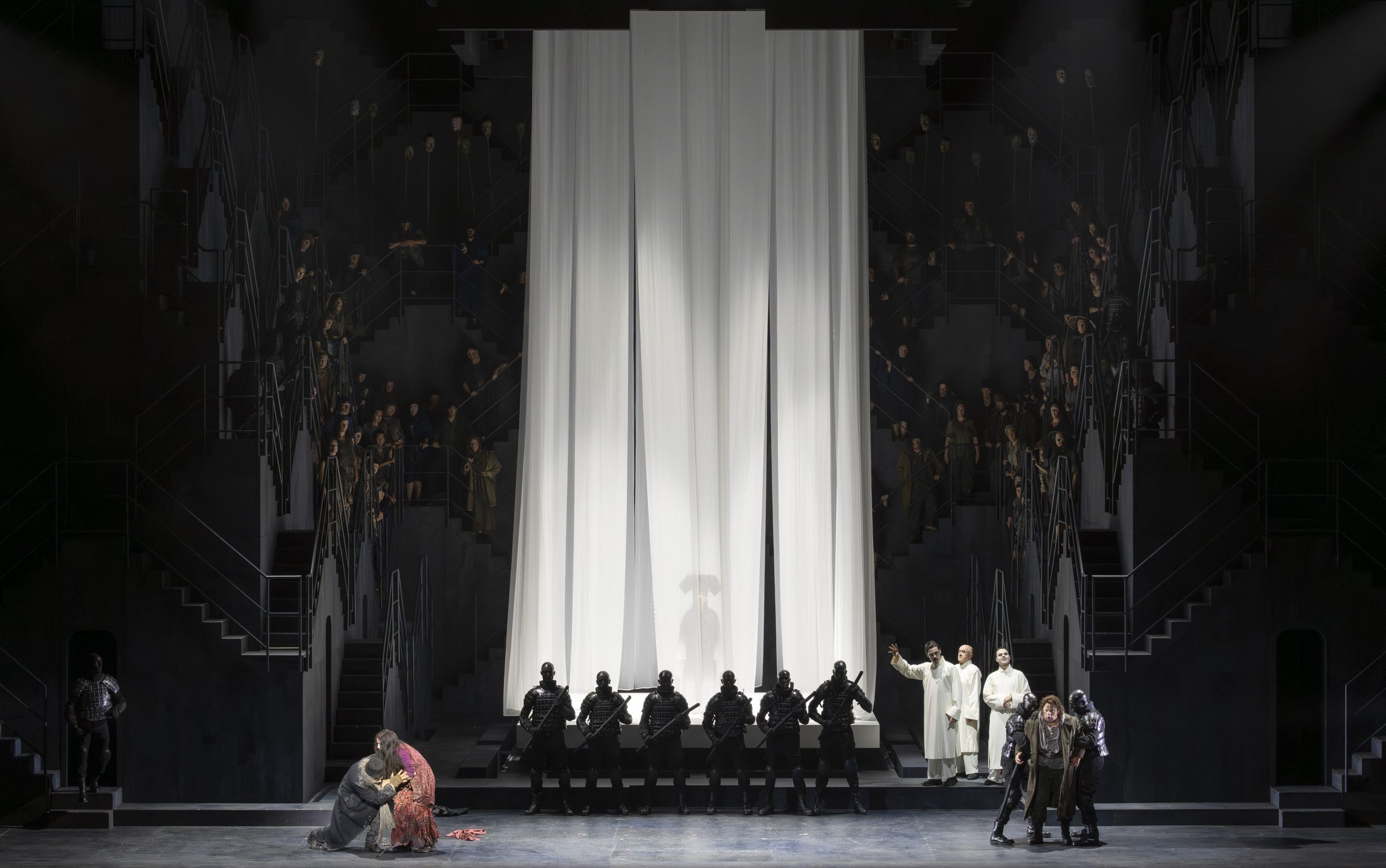
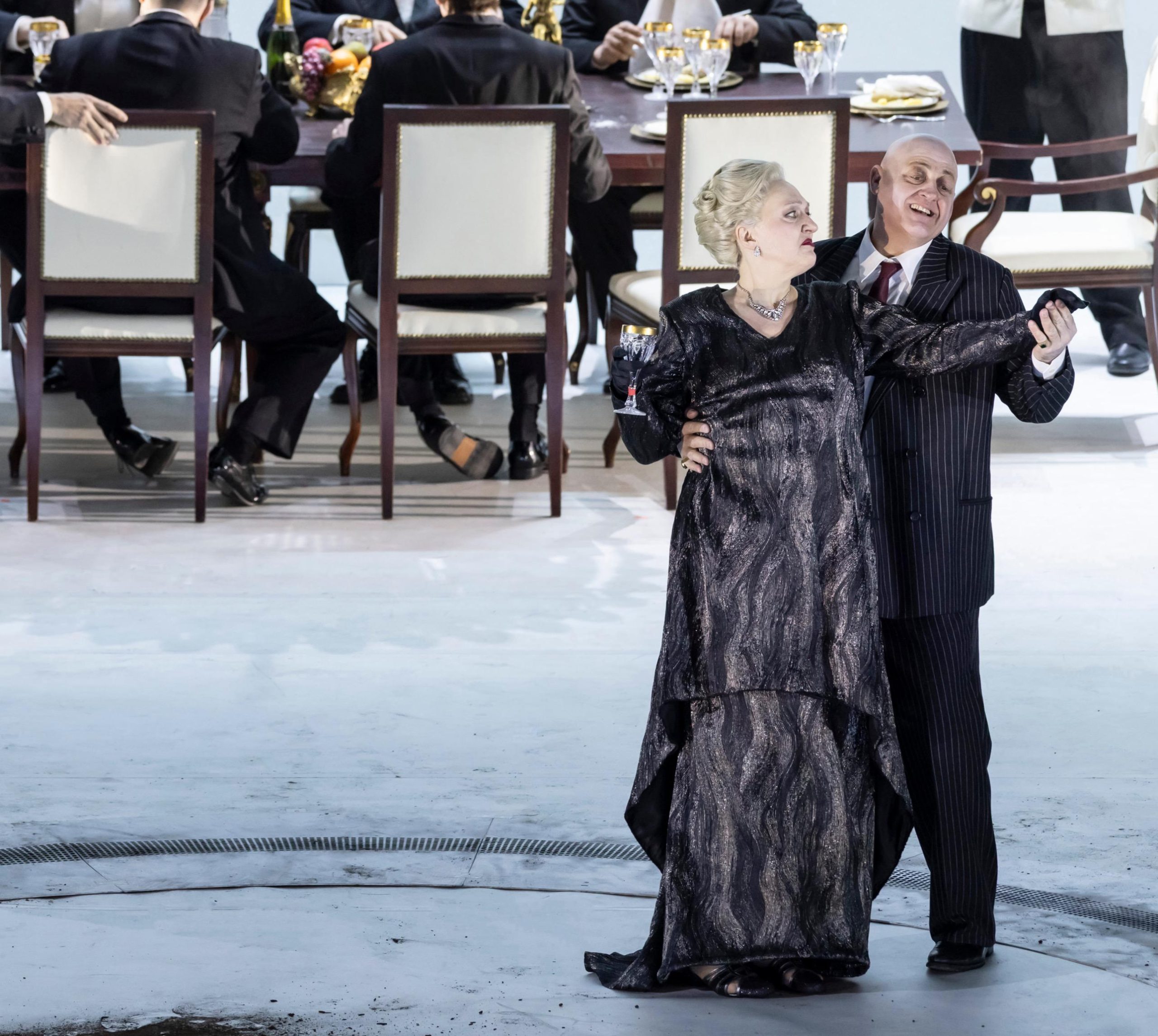
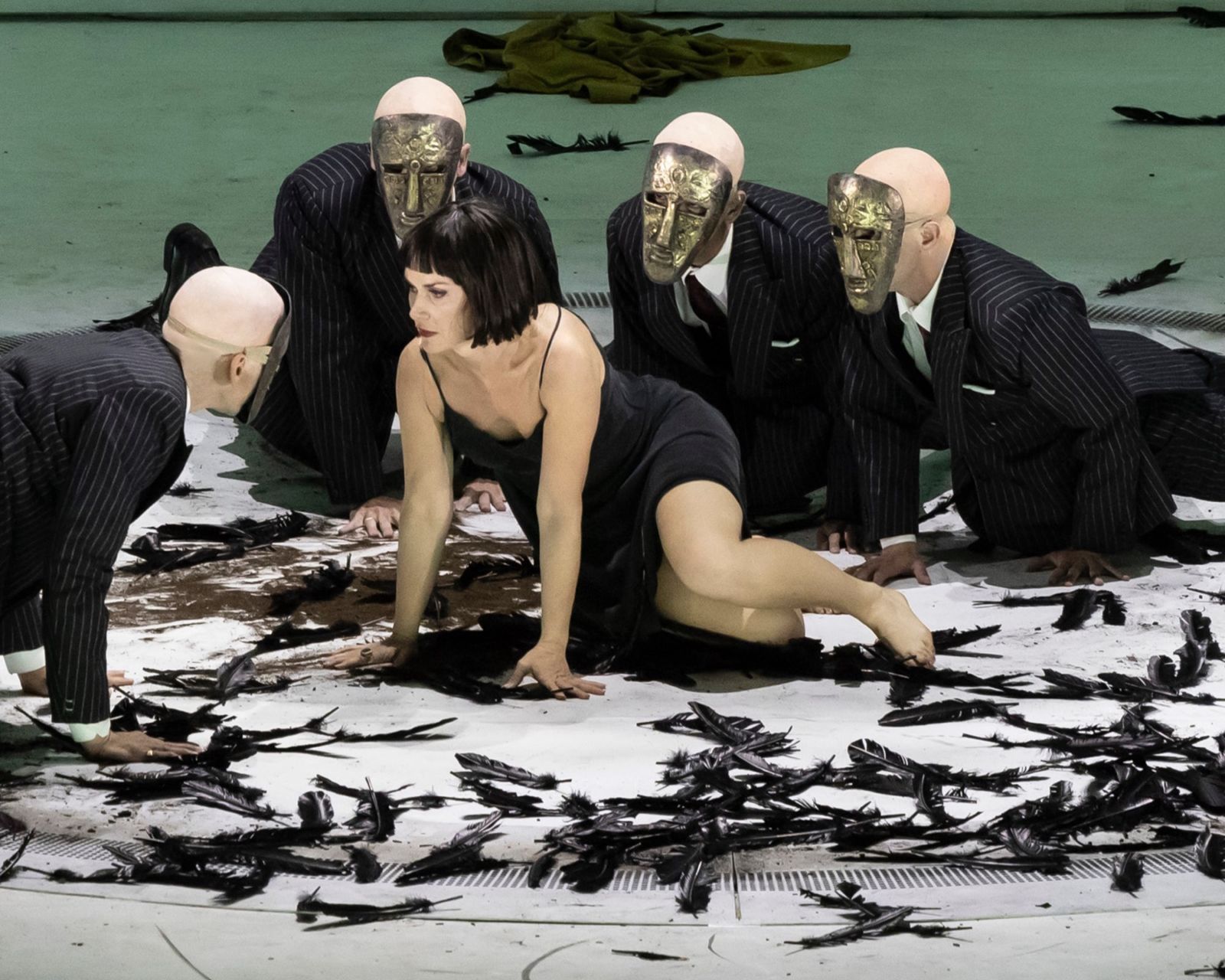
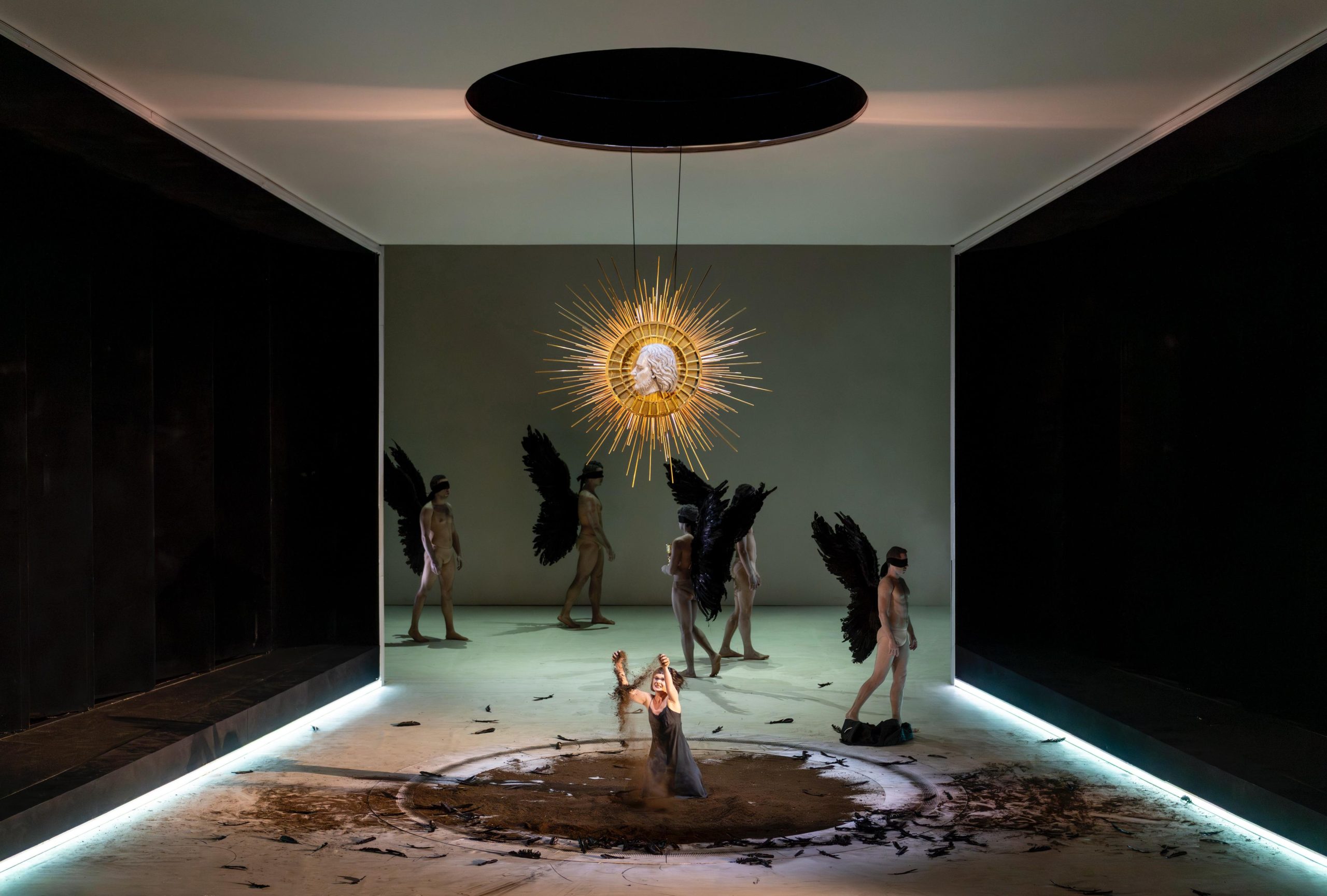
In the history of modern theater and opera, few names provoke such awe (or such debate) as Patrice Chéreau. Born in France in 1944, and gone too soon in 2013, Chéreau was not merely a director; he was a force of transformation. He reinvented the way audiences experienced music, text and emotion, often with equal parts brilliance and controversy. The Making of a Maverick Patrice Chéreau was product of post-war France, a time when the arts were searching for new forms and new truths. He grew up surrounded by painting and literature – his father was a painter, a his mother a graphic designer – and his early fascination with visual storytelling would mark everything he later touched. By the age of 22, Chéreau was already running his own theater company in Paris. His productions were bold, visceral, and unapologetically political. He brought the stage closer to life; not as
Alice Lechner
The War Memorial Opera House: San Francisco’s Monument to Music, Memory, and Modern Elegance
Few cities wear their contradictions as gracefully as San Francisco – a place where old-world sophistication meets restless innovation, and where the fog that drifts over the hills seems to carry whispers of both history and reinvention. At the heart of this dynamic city stands one of its most majestic landmarks: the War Memorial Opera House, a building that embodies both artistic grandeur and civic remembrance. A Vision of Harmony: Birth of a Cultural Landmark  The War Memorial Opera House opened its doors on October 15, 1932, in the midst the Great Depression, an era when few cities dared to dream on such a scale. Yet San Francisco’s leaders and citizens believed that beauty and culture could be powerful acts of resilience. The project emerged as part of a broader vision known as the San Francisco War Memorial Complex, conceived to honor the soldiers who had fought in World War
Alice Lechner
Georg Solti: The Maestro Who Lit the World Stage
There are conductors, and then there are forces of nature. Sir Georg Solti was unmistakably the latter. A towering figure in 20th-century classical music, Solti brought an electrifying intensity to the podium, a meticulous ear to the score, and a burning passion for operatic truth. With a baton that seemed to channel lightning and a mind as exacting as it was imaginative, Solti transformed every orchestra he touched and left behind a legacy as monumental as the soundscapes he conjured. Born György Stern in Budapest 1912, Solti came of age in one of Europe’s most fertile musical environments. A student of the legendary Zoltán Kodály and influenced by Béla Bartók and Ernő Dohnányi, Solti carried with him the disciplined rigor of the Hungarian tradition and a deep love for opera, sparked by his early experiences at the Budapest Opera House. But as a Jewish musician in the shadow of the
Alice Lechner
Cairo Opera House: Egypt’s Gateway to the Arts
In the heart of bustling Cairo, where the hum of the city meets the timeless rhythm of the Nile, stands a cultural beacon that bridges continents, centuries, and civilizations: the Cairo Opera House. A symbol of Egypt’s commitment to the arts, this storied institution has played a unique role in bringing opera and classical music to the Arab world, while reflecting the dynamic pulse of a country that has long balanced tradition and modernity. The story of opera in Egypt began long before the current Cairo Opera House was built. In fact, Egypt was once home to the very first opera house on the African continent and in the Middle East: the Khedivial Opera House, inaugurated in 1869 under the rule of Khedive Ismail. This opulent venue was constructed to coincide with the grand opening of the Suez Canal and was intended to rival the great theaters of Europe. In
Alice Lechner
Ezio Pinza: From Opera Legend to Broadway Star
When we think of musical legends, some names are simply unforgettable. One such name is Ezio Pinza, the celebrated Italian bass whose powerful voice an remarkable versatility transcended opera and Broadway. Born in Rome in 1892, Ezio Pinza’s early life was a far cry from the glamorous world of opera. He was actually studying to become a civil engineer. But as many great stories go, fate had other plans. Encouraged by his father to pursue singing, Pinza enrolled at the Conservatorio Giovanni Battista Martini in Bologna. It didn’t take long for his extraordinary voice to catch attention. By 1914, he made his operatic debut as Oroveso in Norma by Bellini, and from there, his career skyrocketed. Pinza’s career in opera was nothing short of legendary. After World War 1, he performed with some of the most prestigious opera companies in the world, including Teatro alla Scala. His true breakthrough came
Alice Lechner
News_Archive_Filtre
Teatro Nacional de São Carlos: Lisbon’s Grand Cultural Gem
When you think of Lisbon, the first images that come to mind might be the sun-drenched streets, the iconic trams, or the stunning views ofer the Tagus River. But there’s another treasure in this vibrant city that has been captivating audiences for centuries: the Teatro Nacional de São Carlos, Lisbon’s premier opera house. Located in the heart of the Portuguese capital, this historic venue has been a cultural cornerstone since it opened its doors in 1793. Over the years, it has seen some of the most iconic opera performances in history, from world premiers to breathtaking productions featuring world-class talent. From Royalty to Public Venue The Teatro Nacional de São Carlos was born out of the ashes of the devastating 1755 Lisbon earthquake, which destroyed the city’s original opera house. For nearly four decades, Lisbon’s cultural elite longed for a new venue worthy of the city’s operatic tradition. Their wishes
Alice Lechner
Jussi Björling: A voice of Perfection, A life of Struggle
Known as the „Swedish Caruso”, was born in Stora Tuna, Borlänge, Dalarna, Sweden, in February 1911. He came from a musically gifted family. His father, David Björling, was a trained singer and vocal coach who quickly realized that Jussi and his brothers, Olaf and Gösta, had a natural gift for singing. Under their father’s guidance, the three brothers formed the Björling Quartet, a vocal ensemble that performed across Sweden and even toured the United States in the 1920s. Their father was a strict teacher, ensuring that Jussi developed a solid vocal technique from an early age. In 1926, Jussi’s father passed away, leaving the 15-year-old with a promising voice but an uncertain future. However, that same year, he was into the Royal Swedish Academy of Music in Stockholm, where he studied under the renowned baritone John Forsell. By 1928, he was already performing professionally, and at just 19 years old,
March 2025
Alice Lechner
Part II: You cannot starve yourself and expect yourself to sing well
So, what was the turning point for me? I stumbled across this concept called intuitive eating and after following a few certified dietitians on Instagram (such as Colleen Christensen and Bonnie Roney) trying to implement the intuitive eating principles, I knew that I had to dig deeper and find the founder of this concept and do it properly because dabbling in healing was not going to cut it this time. I found the book “Intuitive eating” by Evelyn Tribole and Elyse Resch and to say that it changed my life is the biggest understatement. After reading it, there was no going back. I decided to rebel against diet culture because I refused to be told how I should feel about my body and refused to keep putting my body through relentless, unnecessary challenges that not only ruined my metabolism, my enjoyment of life but also made what I love most,
March 2025
Daria Rybak
Grand Théâtre de Genève: A Masterpiece of Architecture and Elegance
The Grand Théâtre de Genève is one of Switzerland’s most prestigious cultural landmarks, renowned for its rich history and contribution to the world of opera, ballet, and classical music. This historic venue is the beating heart of the city’s opera scene, and whether you’re a seasoned art lover or just curious about the cultural vibe, it’s worth a visit. For much of the 17th and early 18th centuries, Geneva’s strict Calvinist orthodoxy limited theatrical performances. It wasn’t until the 1760s that the city allowed its first opera house, the Théâtre de Rosimond. Thanks to Voltaire’s influence, opera flourished at La Grange aux Étrangers and later at the Théâtre de Neuve, both located outside the city walls. As Geneva’s prestige grew, the need for a larger, more refined theatre became evident. In 1870, architects Émile Reverdin and Gaspard André and Gaspard André were commissioned to design the Grand Théâtre de Genève,
March 2025
Alice Lechner
Part I: You cannot starve yourself and expect yourself to sing well
Unfortunately, this industry has not been left untouched by the nauseating consequences of diet culture and the diet industry. Just like athletes, actors and models we are constantly looked at and inevitably judged. We are constantly in the public eye and of course that makes us the perfect victims for body judgement and shaming. We can never be perfect, we’re always either too slim or too curvy. People often don’t care to ask themselves what might be going on in a person’s life, but somehow, they care about what their body looks like. Having healed from the diet culture oppression, I thought that this subject would no longer trigger me until I realised that this toxic diet culture inspired behaviour is all around me. Diet culture is so ingrained into our being and everyday life that it seems to have seamlessly and obnoxiously found its way into so many of
Daria Rybak
Ileana Cotrubas
Ileana Cotrubaș is a romanian soprano. Her career developed between 1960-1990. She was admired for her beautiful light voice, for her dramatic talent and for her adaptation of singing in a lot of languages.  She was born on 9 June 1939 in Romania in a family where the traditions of music already existed, so she grew up in a space where the music was always present, her father being a tenor in an amateur choir. Ileana’s musical career started at an early age when she started being a member of the children choir of Romanian Radio, a big thing back in those times. She was nine years old back then, and when she was eleven years old she already sung as a soloist. All these contexts and her abilities were an important point of decision for her family because they took her to Bucharest, the capital of Romania, to study
Sonia Ilincăi

SUBSCRIBE TO OUR

OPERA CHARM

MAGAZINE

Alice Lechner

Alice Lechner comes from a music-loving family. Her first encounter with the opera universe was at the tender age of six. The grandeur of the stage productions and costumes, the backstage chatter, and last, but definitely not least, the music left her in awe, beginning with Mozart’s Don Giovanni. The overall feeling that opera awakens in anyone who gets a glimpse into this part of artistic eternity, that each and every day passes the test of time, was what drew her to stay and be a part of this world. The Opera House of Brașov became her second home, and the people who worked there were her second family.

Since then, Alice has devoted her spare time to maximising her musical knowledge through instrumental studies, studying both piano and violin for a short time. In the following years, her number one passion stepped out of the limelight and graciously gave way to Law Studies.
Since 2018 she has been studying Law at “Alexandru Ioan Cuza” University in Iași.

Her passion for opera, even if it is no longer her top professional priority in terms of career, it has most definitely become her priority during her free time. Wanting to experience the best of both worlds and extend her musical horizons, she regularly attends opera performances throughout Romania and abroad.
With OPERA Charm Magazine, Alice aims to nurture her creative side to help it flourish and bloom and to discover, alongside the magazine’s readers, the fascinatingly complex world of opera.

Currently, she is an LL.M. in Business Law at “Alexandru Ioan Cuza” University in Iași.
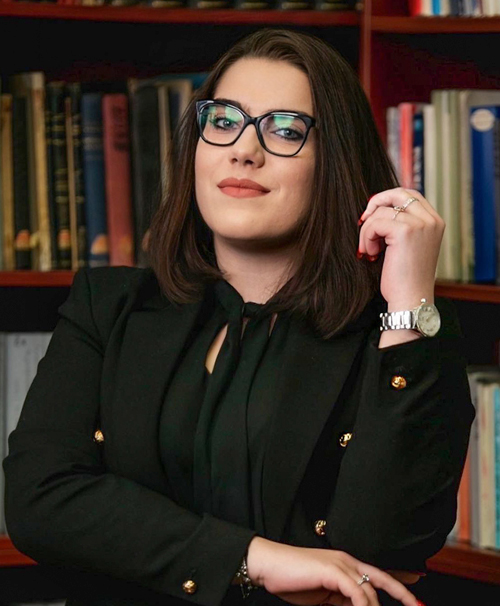
Oana Zamfir

Oana Zamfir is a second year MA student at the “George Enescu” National University of Arts, at the Department of Musicology.

She studied violin for 12 years at the “Stefan Luchian” High School of Art in Botosani, later focusing on the theoretical aspects of music. In 2019 she completed her bachelor studies in Musicology as a student of the National Academy of Music “Gheorghe Dima” in Cluj-Napoca. Her research during 2018-2019 brought to the forefront elements of the archaic ritual within works of composers who activated during the communist period, giving her the opportunity to start a research internship at the “Carl von Ossietzky” University in Germany. In this context, she recorded conversations with members of the Sophie Drinker Institute in Bremen, and had access to documents directly from the Myriam Marbé archive.

Since 2019 she has been a teacher of Music Education and Theoretical Music Studies, making full use of interactive methods in the musical training of students and working, at the same time, with the children’s choir founded in the first year of her activity.

Her interests include pursuing a degree in interior design in 2020.

Alexandru Suciu

Alexandru Suciu inherited his passion for art growing up in a family of several generations of musicians. He began his musical studies at the “Augustin Bena” School of Music in Cluj, where he studied piano and guitar. Even though his main study direction was philological, his passion for music prevailed. He began his academical journey at the Faculty of Letters of the “Babeș-Bolyai” University, studying Comparative literature and English. He continued by studying Opera Singing at the “Gheorghe Dima” National Music Academy. He also graduated the Musical Education section, followed by Artistic Directing at the Musical Performing Arts department.

His multidisciplinary education opened the doors towards research, which is seen both through his participation in national and international conferences and symposia, such as the Salzburg Easter School PhD-forum, organized by the Salzburg Universität or the Silesian Meeting of Young Scholars, organized by the Institute of English at the University of Silesia, as well as the collaboration with Opera Charm Magazine.

During his student years, he won several prizes, including the Grand Prize at the “Paul Constantinescu” National Musical Interpretation Competition, the Romanian Composers and Musicologists’ Union Prize at the same competition, the First Prize and the Schubert Prize at the “Ada Ulubeanu” Competition.

He further developed his artistic skills by specializing in courses and masterclasses held by personalities such as Vittorio Terranova, Giuseppe Sabbatini, Marian Pop, Ines Salazar, Riccardo Zanellato, Paolo Bosisio, Valentina Farcaș and Manuel Lange in contexts such as the Internationale Sommerakademie für Operngesang Deutschlandsberg, Corso Internazionale di Canto Lirico I.M.C. Licata or the Europäische Akademie für Musik und darstellende Kunst Montepulciano. Besides his activity on-stage, he currently teaches Opera Singing Didactics, and Pedagogical Practice within the Department for Teacher Education and Training at the “Gheorghe Dima” National Music Academy.

Cristina Fieraru

Cristina is a 24 year-old Romanian soprano & a student at the National University of Music Bucharest, where she pursues the MA program in Vocal Performance.

She made her debut in Pamina from “Die Zauberflöte” by Wolfgang Amadeus Mozart at only 19 years old at the Bucharest National Opera House, as a member of the Ludovic Spiess Experimental Opera Studio. Over the years she made her debut in roles such as Contessa d’Almaviva (Le nozze di Figaro), Mimì & Musetta (La Bohème), Alice Ford (Falstaff), Erste Dame (Die Zauberflöte) in her university’s opera productions.
Her passion and experience extends in the field of choral music, too.

She has been part of our dream team since the fall of 2021. For a good period of time she took care of OPERA Charm’s social media and took you on the monthly journey through the history of opera through our Legends rubric – and a few times through the Theaters around the World rubric.

Her little soul rubric – from 2021 to present – is definitely the Conductors of the Future, where, every month, she gives you the chance to meet a young star of the world of conducting and, of course, to find out what’s the most charming feature of opera in these artists’ views.

BIANCA L. NICA

Lorem ipsum dolor sit amet, consetetur sadipscing elitr, sed diam nonumy eirmod tempor invidunt ut labore et dolore magna aliquyam erat, sed diam voluptua. At vero eos et accusam et justo duo dolores et ea rebum. Stet clita kasd gubergren, no sea takimata sanctus est Lorem ipsum dolor sit amet. Lorem ipsum dolor sit amet, consetetur