ARTICLES

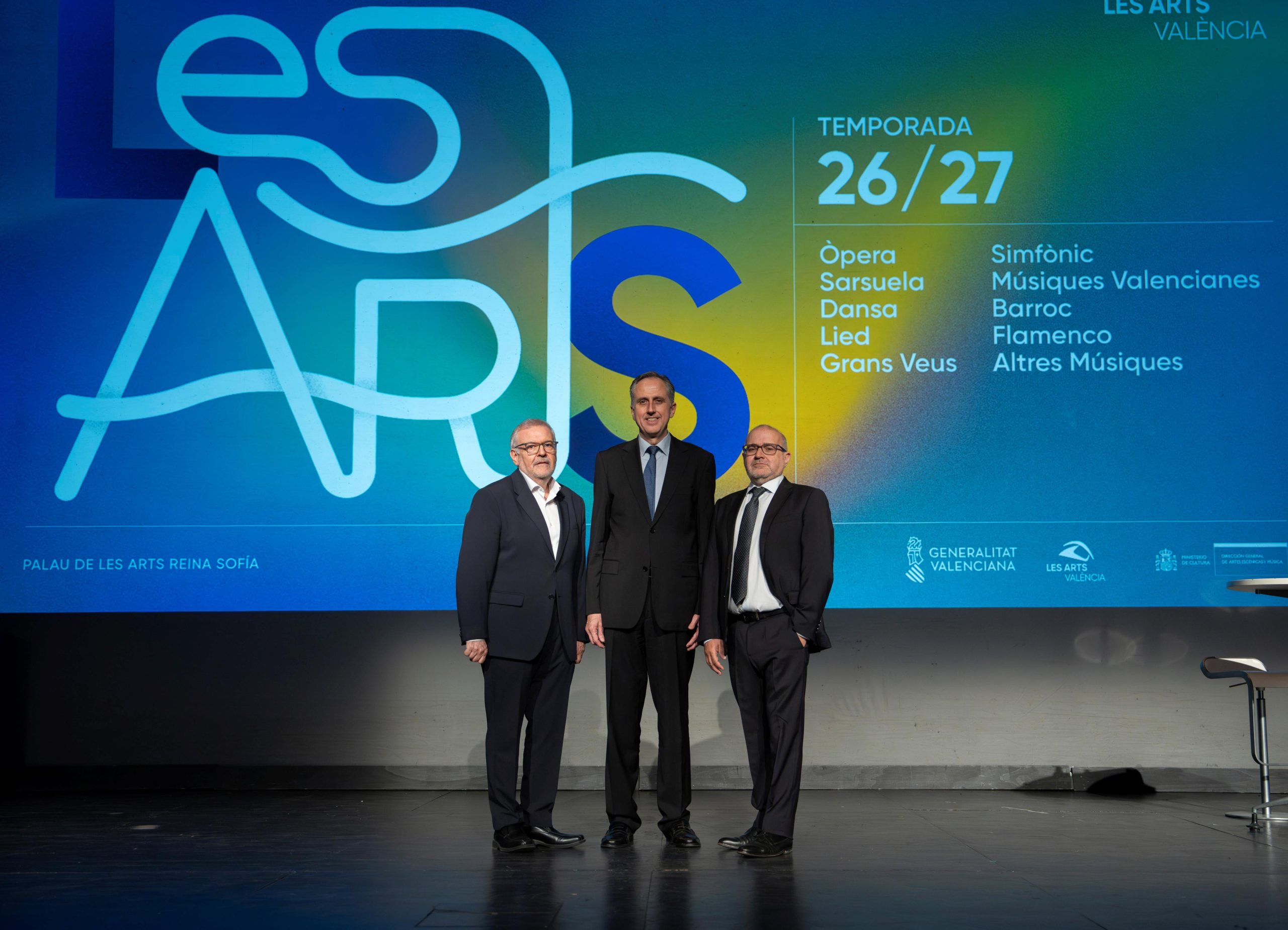
The Palau de Les Arts has unveiled its 2026-2027 season
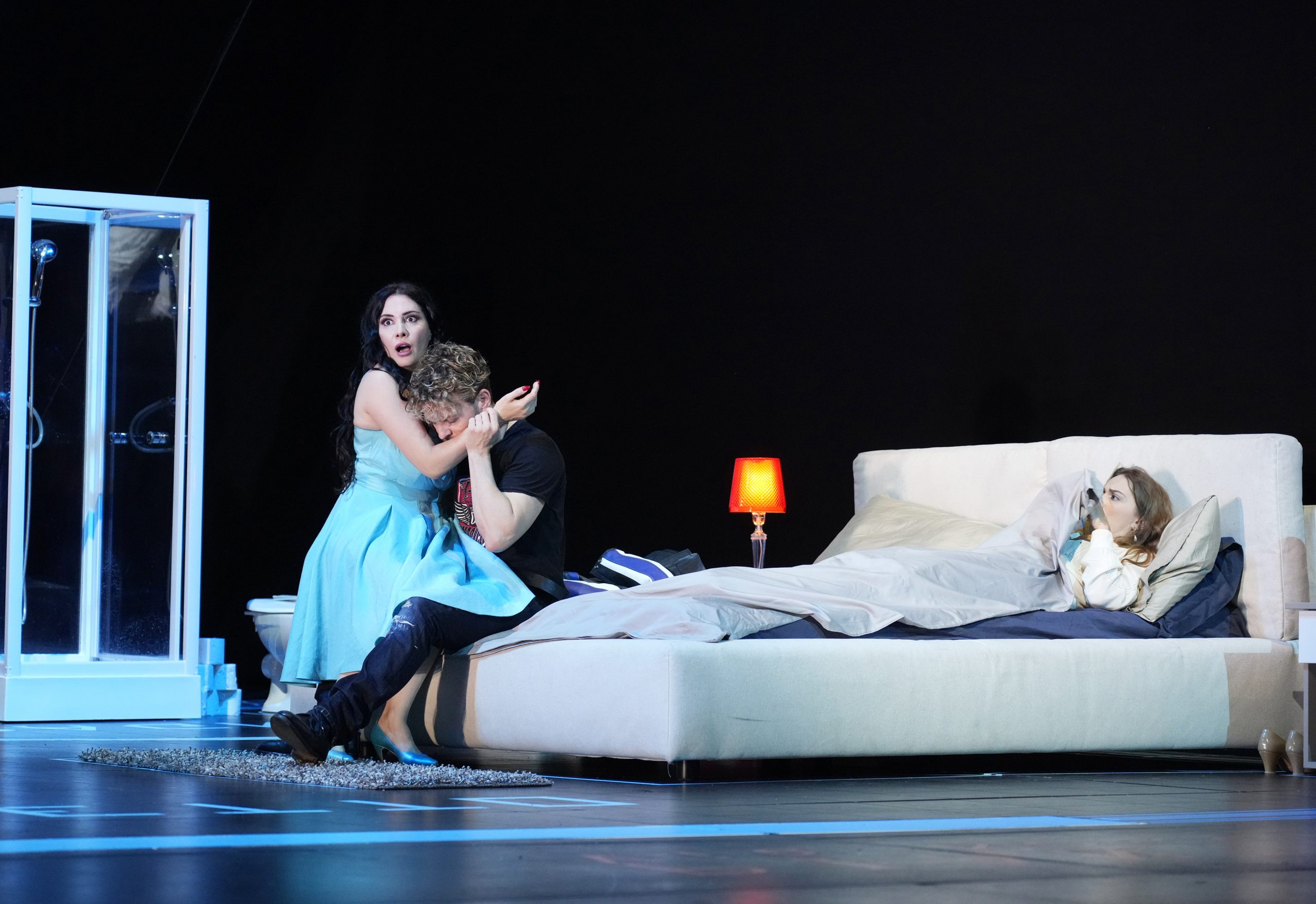
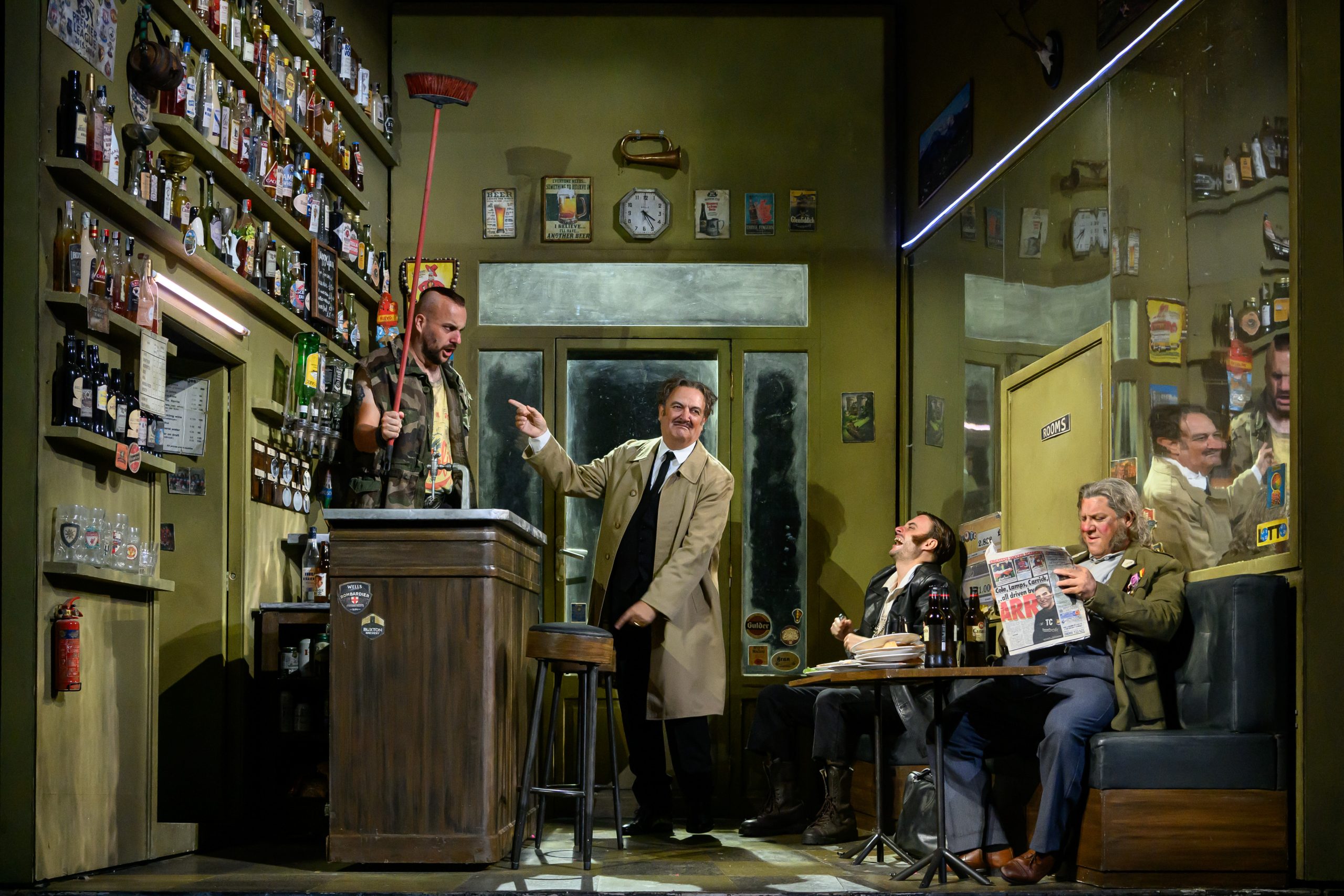
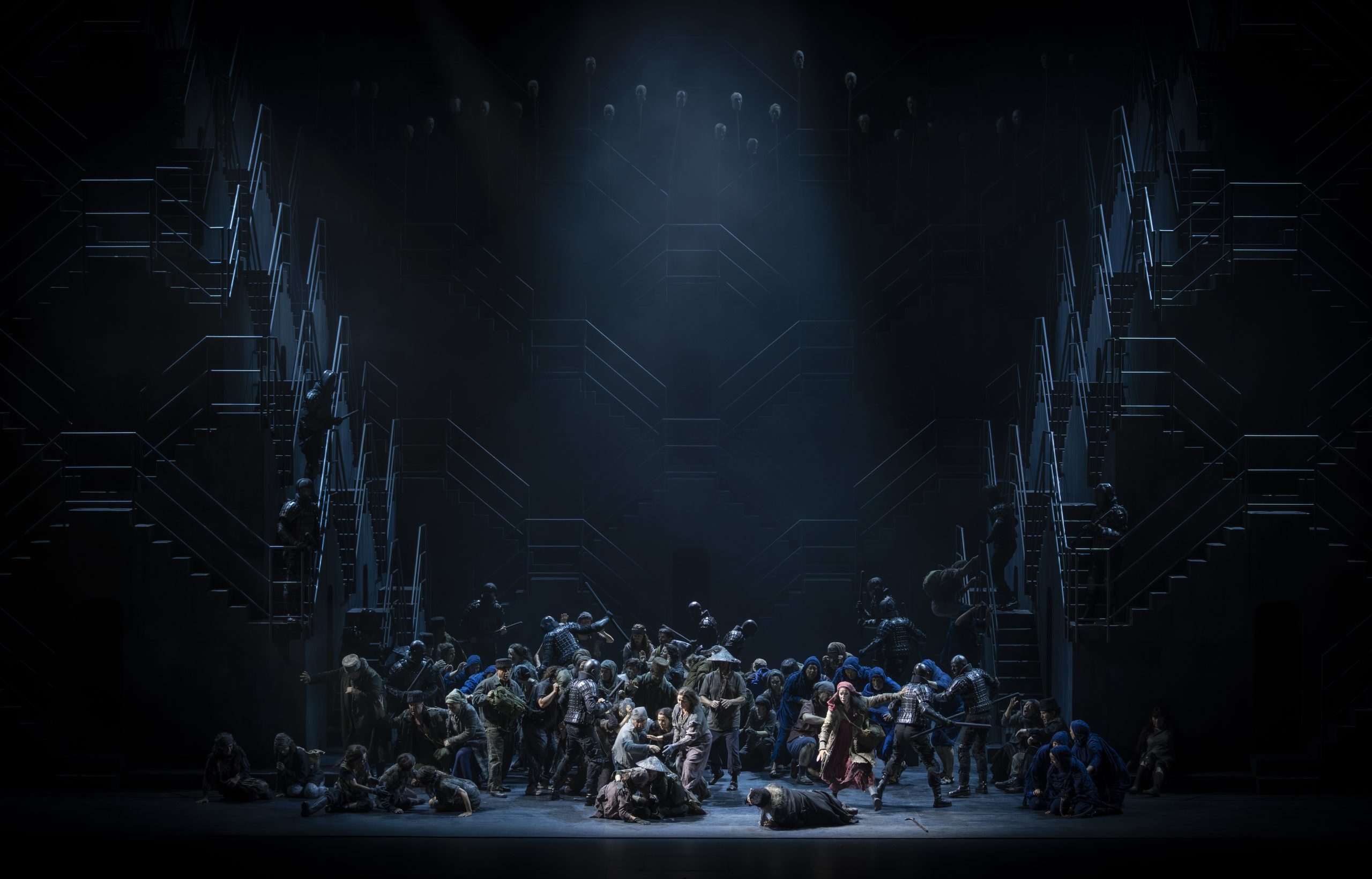
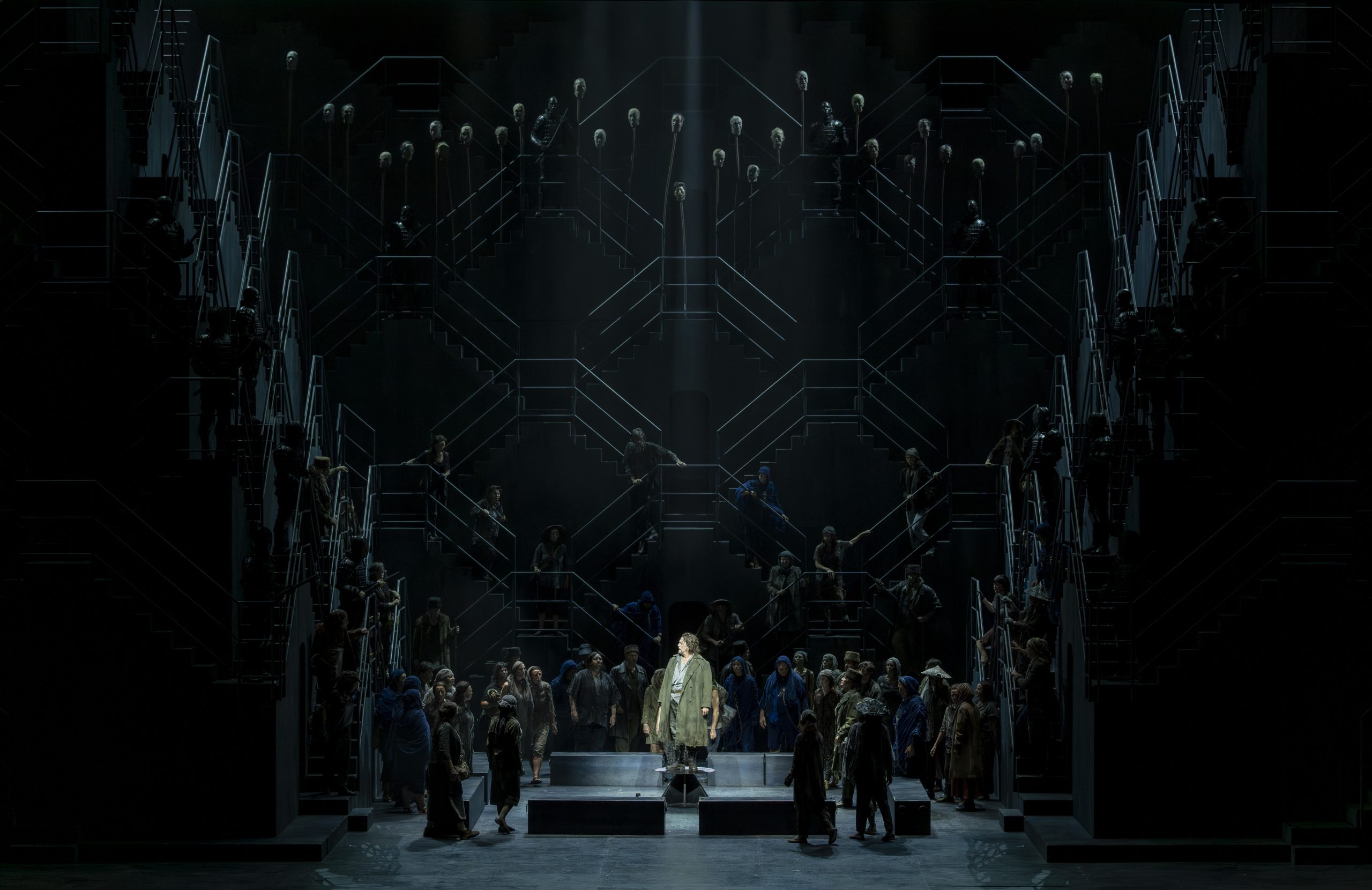
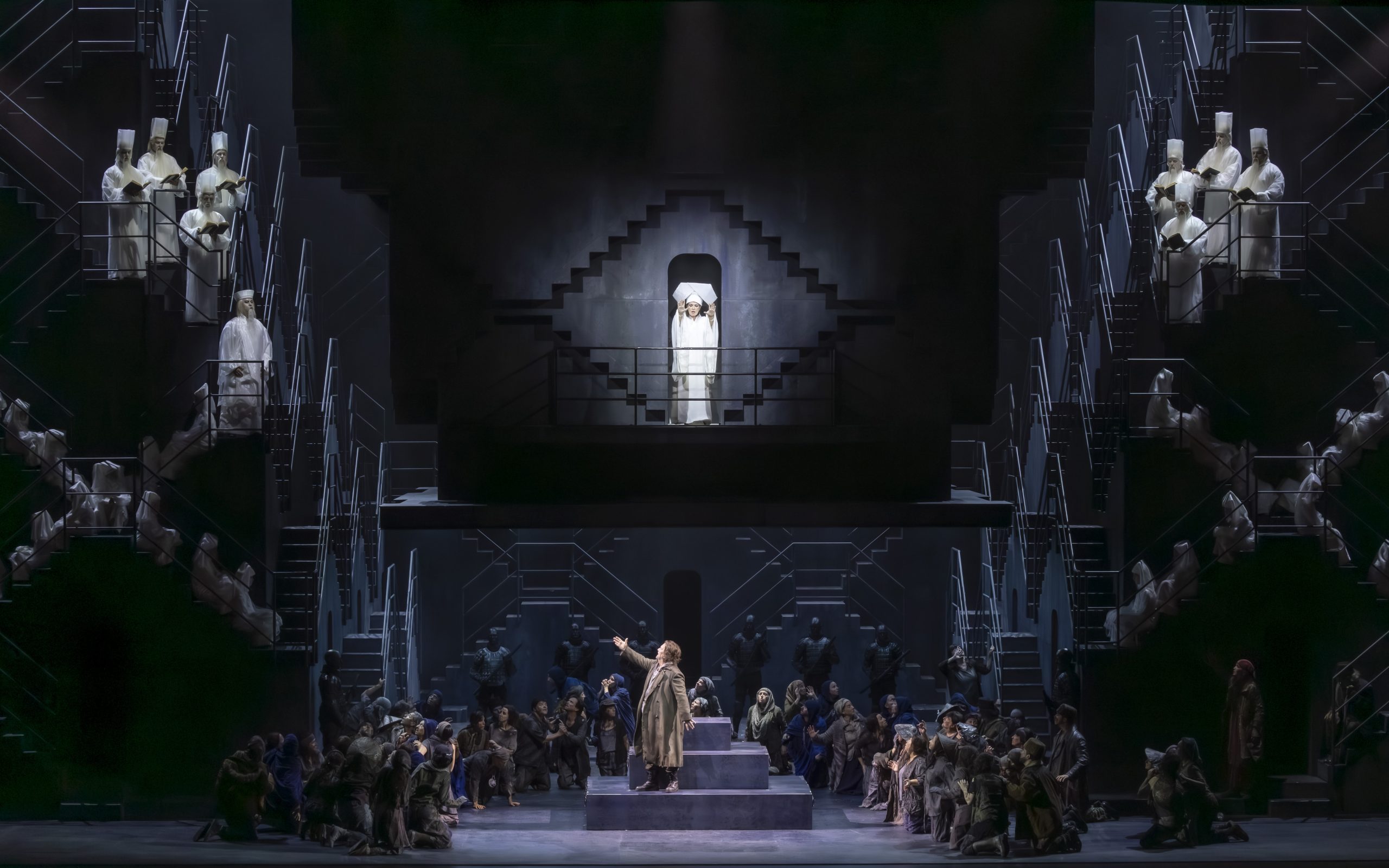
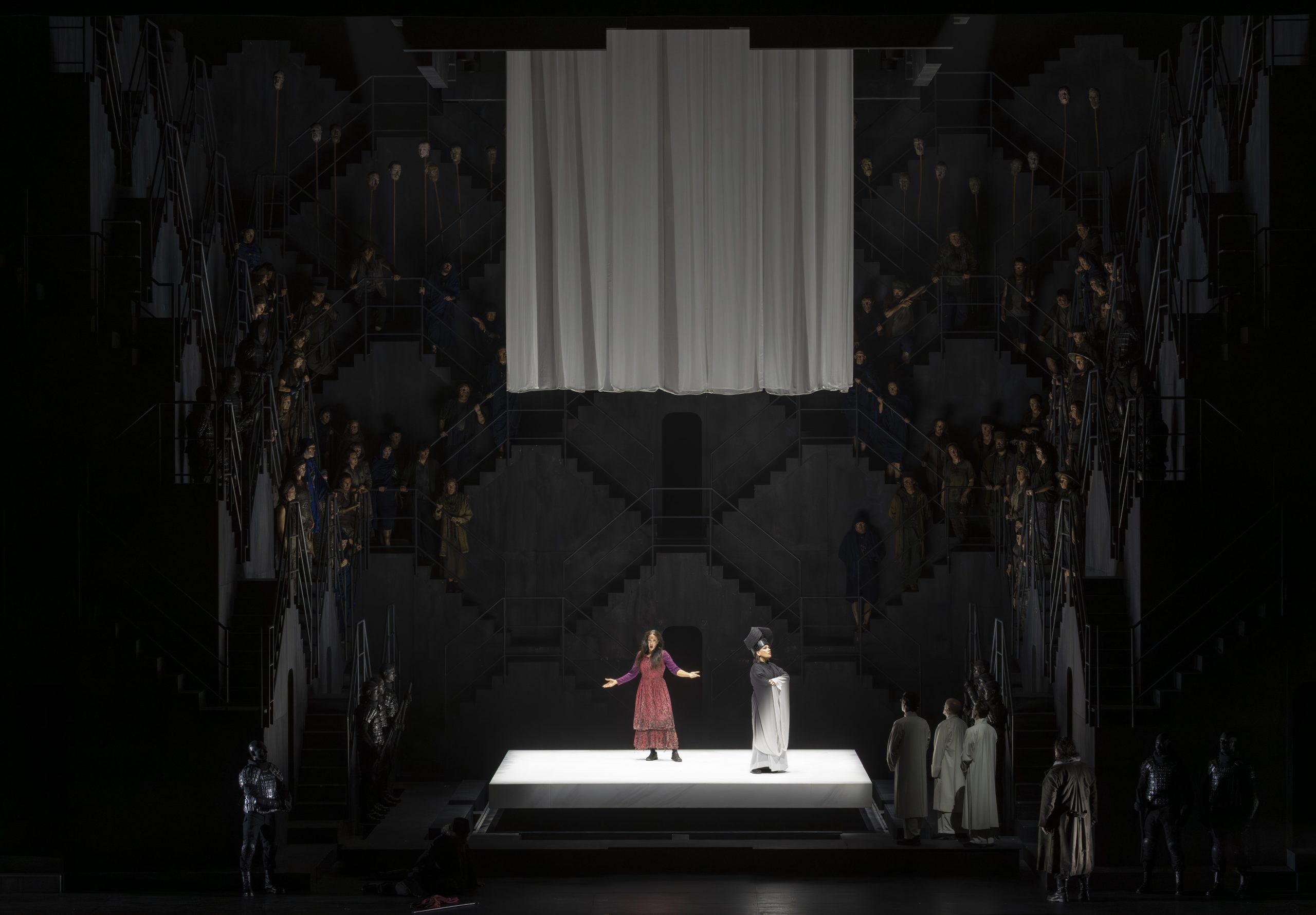
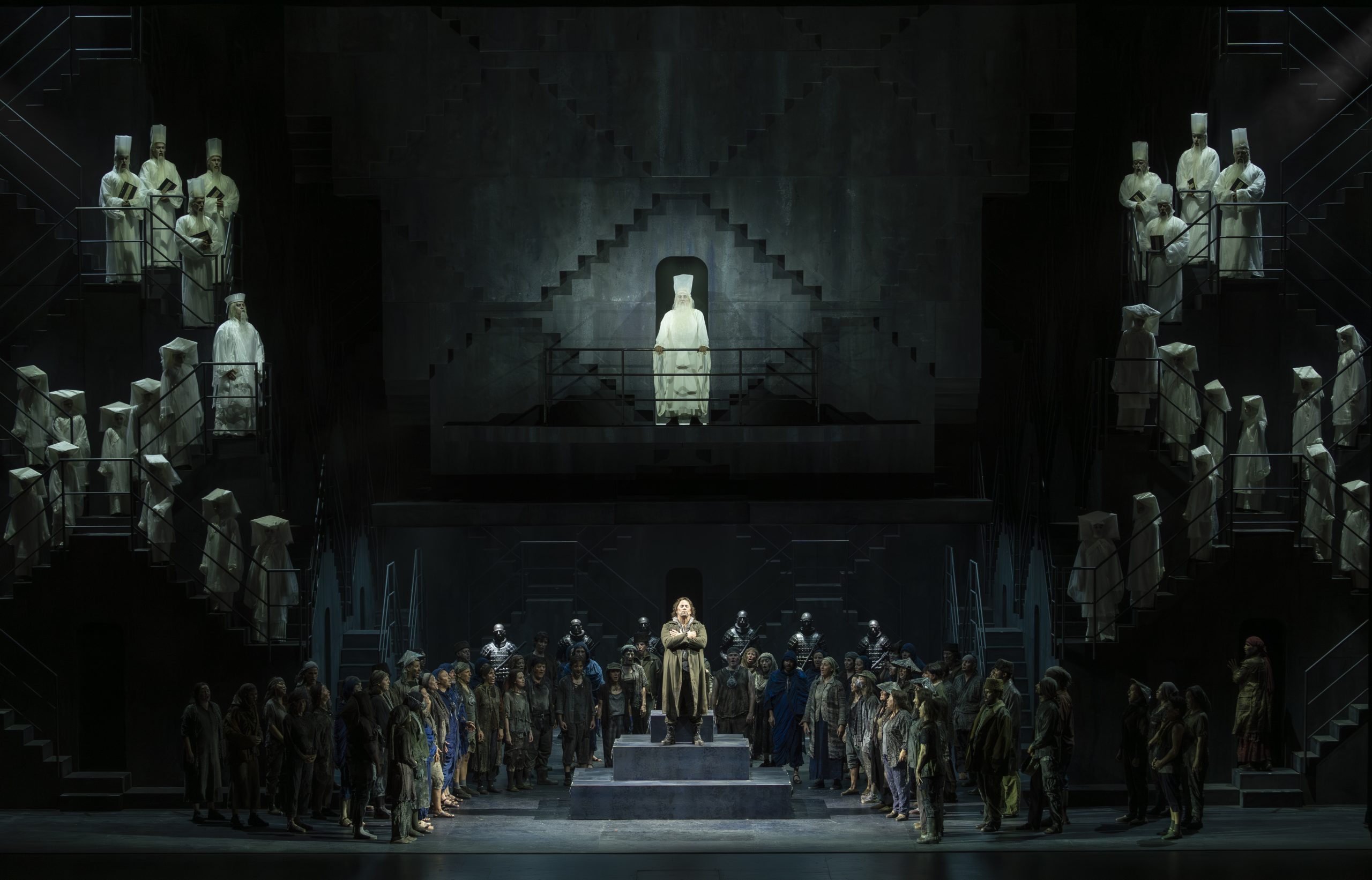
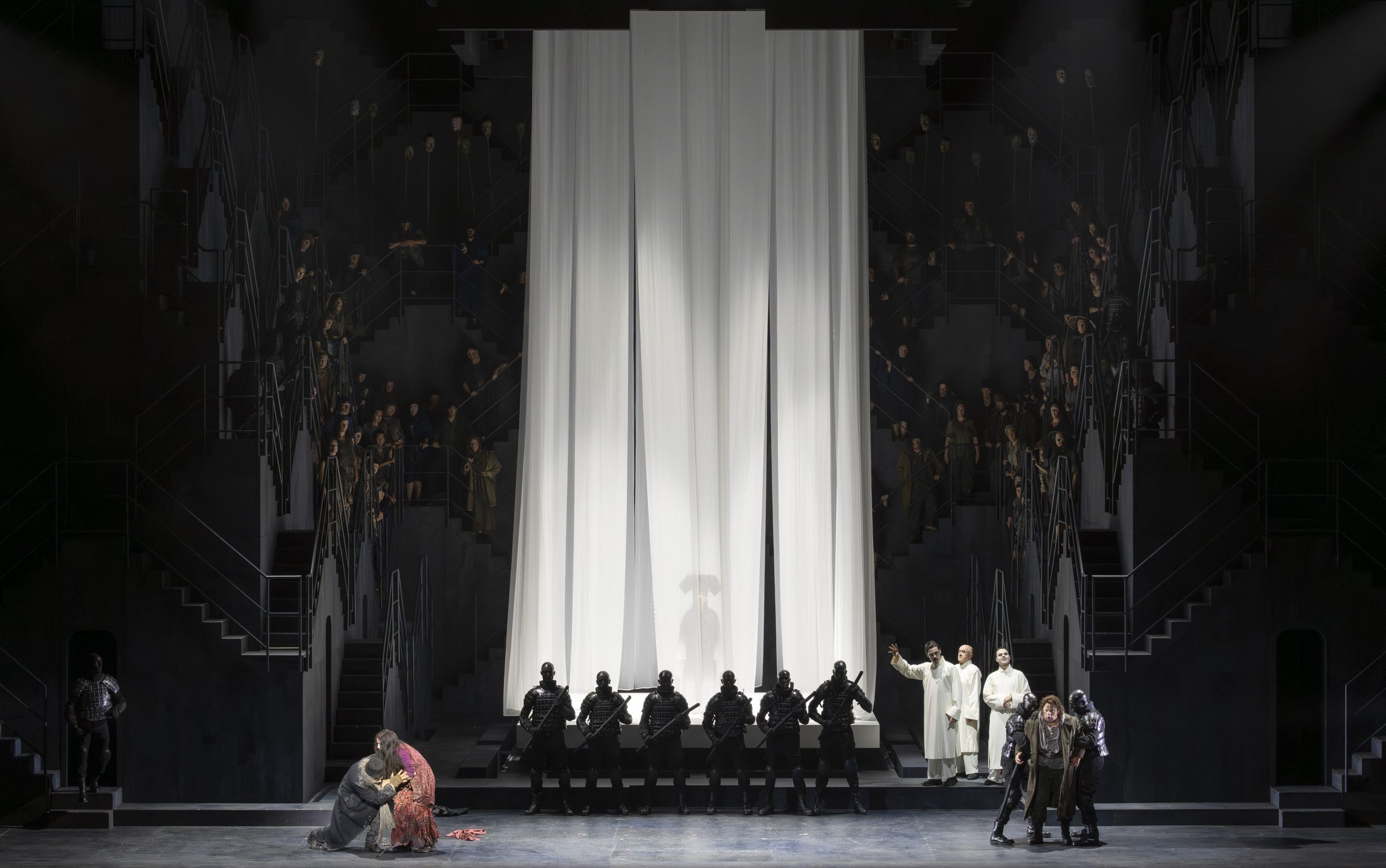
València (19 May 2025) — The Palau de les Arts Reina Sofía will present four new opera productions — Carmen, Lohengrin, Simon Boccanegra and La clemenza di Tito — as part of its 2026–2027 Season, a reflection on power, geopolitics and social conflict through a programme spanning from the Baroque world of Riccardo Primo to the post-truth era of Nixon in China. This season once again confirms Les Arts as a leading venue for the world’s most distinguished conductors, with the Orquestra de la Comunitat Valenciana, under the guidance of Sir Mark Elder, working alongside Mikko Franck, Sir John Eliot Gardiner, Thomas Hengelbrock, Philippe Jordan, Antonello Manacorda and Vasily Petrenko. Returning artists include Cecilia Bartoli, Lang Lang, Lise Davidsen, Lisette Oropesa, Eleonora Buratto, Ermonela Jaho, Ricarda Merberth, Ruth Iniesta, Camilla Nylund, Francesco Meli, Charles Castronovo, Davide Luciano, Andrè Schuen, Antonio Poli, George Petean and Gevorg Hakobyan. Among the company’s notable
Blanca Vázquez
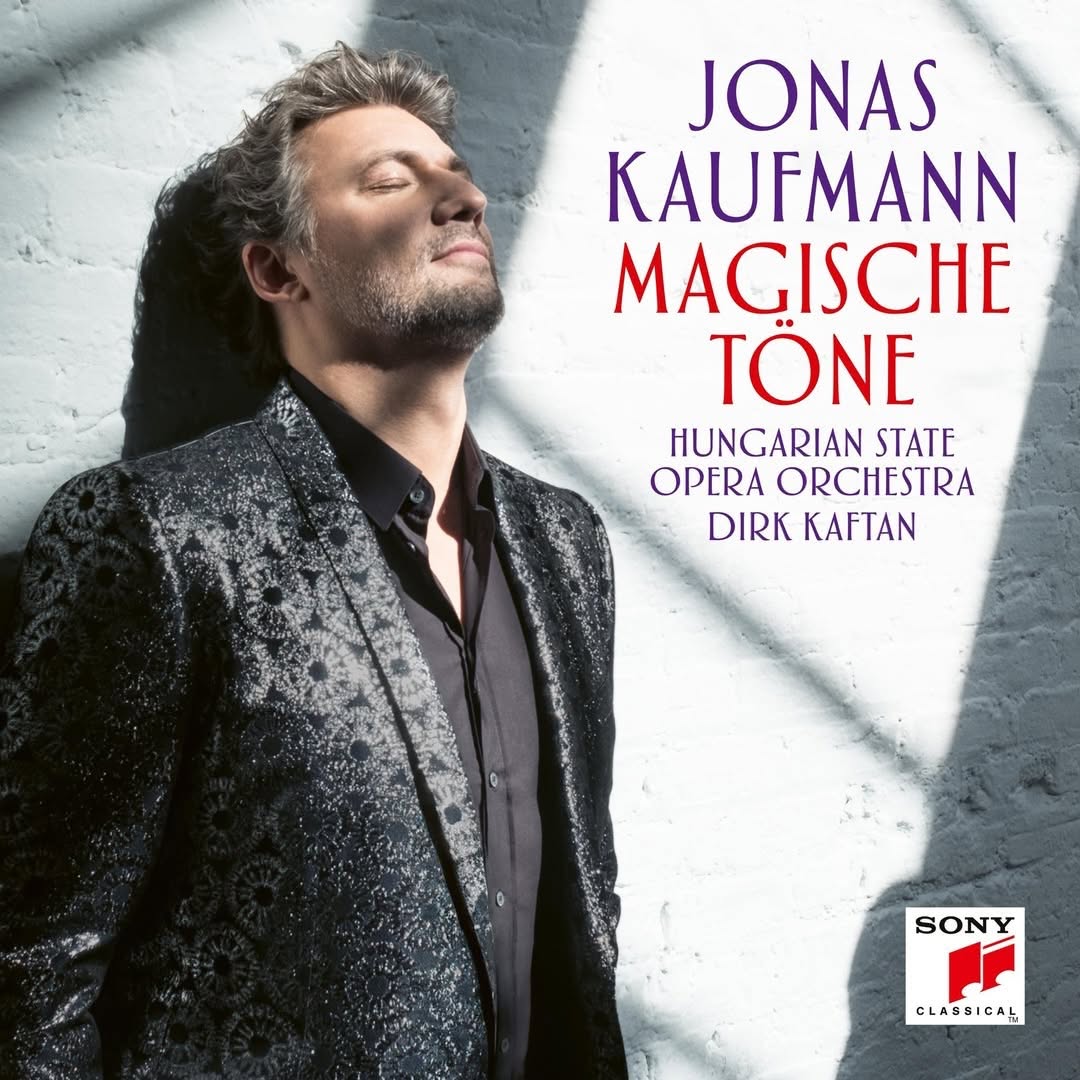
Jonas Kaufmann’s Magische Töne: Vocal Magic with the Hungarian State Opera Orchestra
Jonas Kaufmann’s Magische Töne is a compelling journey through lyrical beauty, dramatic intensity, and intimate storytelling. From the opening notes, it becomes clear that this is an album designed not just to showcase a voice, but to create a dialogue between singer, orchestra, and listener. Kaufmann’s voice, warm and radiant yet capable of heroic power, finds its perfect partner in the Hungarian State Opera Orchestra, guided by the attentive and expressive baton of Dirk Kaftan. Kaftan’s conducting throughout the album is nothing short of masterful. He brings a clarity and sensitivity to the orchestral textures that allows Kaufmann’s phrasing to shine, while also shaping the dramatic arc of each piece. Whether in tender, introspective songs or in full-blooded operatic arias, the orchestra responds with nuance and color, accentuating the emotional content without ever overshadowing the tenor’s voice. In the more intimate pieces, Kaufmann demonstrates his trademark ability to combine clarity, warmth, and emotional immediacy.
Carla Coppola
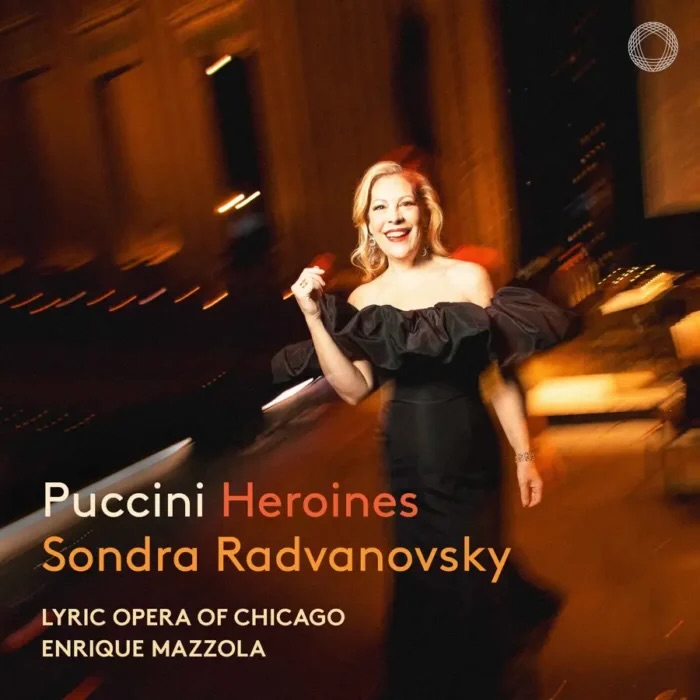
Sondra Radvanovsky’s Puccini Heroines: A Triumphant Celebration of Passion, Power, and Emotion 
Soprano Sondra Radvanovsky has long been celebrated for her dramatic intensity and vocal prowess, but in her latest recording,Puccini Heroines, she takes us on a journey through the heart of Puccini’s operatic world with an intimacy and depth that few can match. This album is not merely a showcase of technique; it is a testament to Radvanovsky’s ability to embody character and bring the emotional landscape of Puccini’s women to vivid life.  From the opening notes, it is evident that Radvanovsky approaches each aria with both respect for the composer’s genius and her own interpretive insight. Her Mimi (La Bohème) is tender, vulnerable, and achingly human. There is a delicate fragility in her voice that captures Mimi’s innocence and longing, yet Radvanovsky never sacrifices tonal richness or clarity. Each line she sings seems to tell a story, whether it’s a whisper of hope or a lamentation of loss, drawing the
Carla Coppola
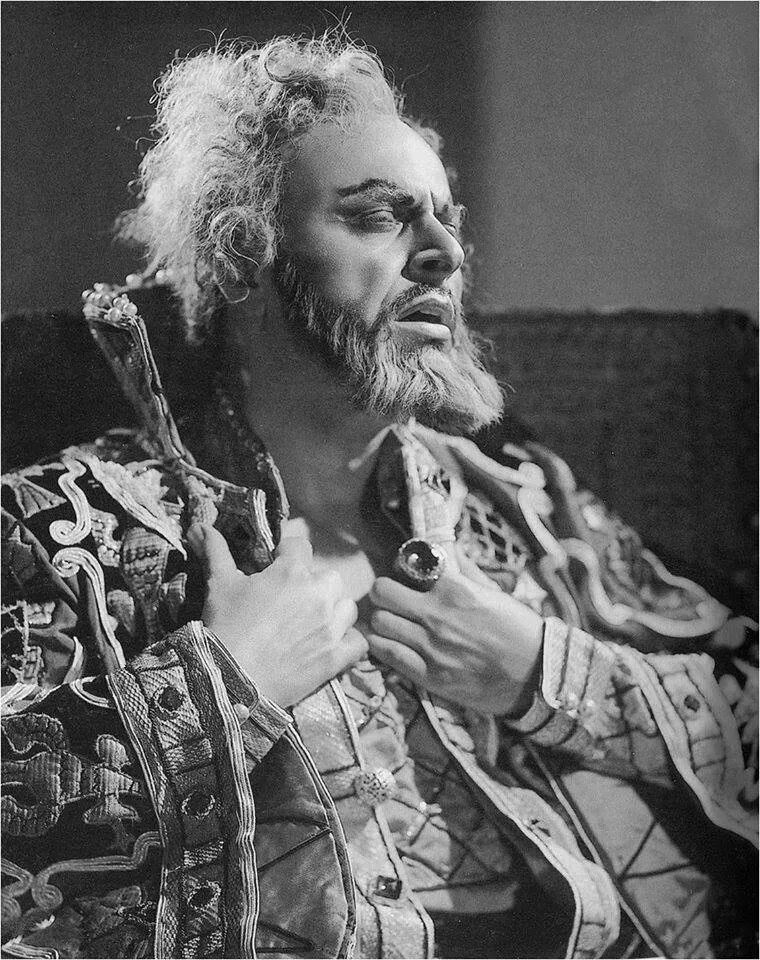
The Voice That Shook Opera Houses: Boris Christoff
Few opera singers have left behind a voice as unforgettable as Boris Christoff. Deep, dark, and commanding, Christoff didn’t simply sing—he dominated the stage. Audiences described his performances as electrifying, with a voice so powerful it seemed to vibrate through the walls of the theater. Even today, decades after his death, many opera lovers still consider him one of the greatest bass singers of all time. Born in Bulgaria in 1914, Christoff’s path to opera was anything but ordinary. Before stepping into the spotlight, he studied law and even considered a completely different career. Music, however, proved impossible to resist. After joining a choir in Sofia, his extraordinary talent quickly became impossible to ignore. A scholarship later took him to Italy, where he trained rigorously and developed the rich vocal style that would make him famous across Europe. Under the guidance of renowned teachers, he refined not only his vocal
Alice Lechner
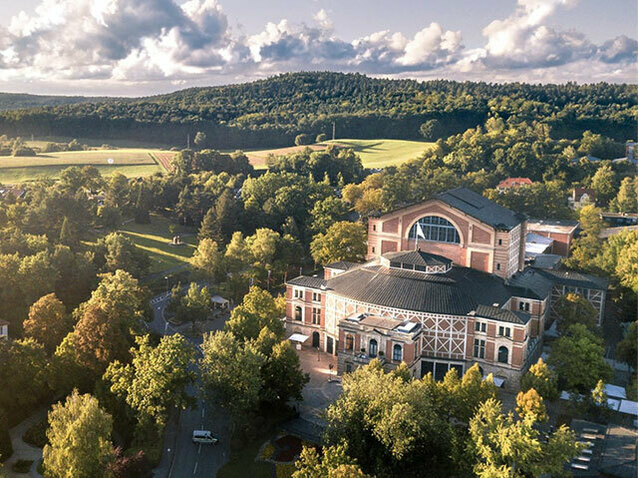
Inside Bayreuth: The Festival That Changed Opera Forever
On a quiet hill in northern Bavaria, in the modest town of Bayreuth, stands a building that does not immediately overwhelm with grandeur. Its exterior is almost austere – brick, restrained, nearly anonymous. And yet, for those who make the pilgrimage each summer, it is nothing less than a temple. This is the Bayreuther Festspielhaus—the Palais des Festivals of Bayreuth—a place where music, myth, and obsession have intertwined for nearly a century and a half. A Vision Born of Restlessness The story begins not with architecture, but with dissatisfaction. In the mid-19th century, composer Ricard Wagner had grown frustrated with the opera houses of this time. They were too ornate, too political, too constrained by convention. Wagner did not simply want to compose operas – he wanted to reinvent the very experience of them. Around 1850, he began imagining a “festival” dedicated entirely to his works, a place where audiences
Alice Lechner
News_Archive_Filtre
Werther at Gran Teatre del Liceu
The fascinating music of Jules Massenet in his opera Werther, based on the epistolary novel Die Leiden des jungen Werthers by Johann Wolfgang von Goethe, dates back to 1886. Following the success of Manon, Massenet attended the Bayreuth Festival accompanied by his publisher, Georges Hartmann, who gave him a French translation of Werther to read during the journey. There, immersed in the music of Richard Wagner and in the spirit of German Romanticism, he conceived the desire to bring the tormented story of the young poet to the operatic stage. Considered the heir to Charles Gounod, Massenet incorporated Wagner’s leitmotif technique into Werther, though filtered through a subtler, more elegant, and distinctly French musical language. The result was a score of profound emotional intensity, in which restrained passion and melancholic lyricism achieve a balance of extraordinary beauty. The enduring fascination of this story lies in its relentless pursuit of the
Blanca Vázquez
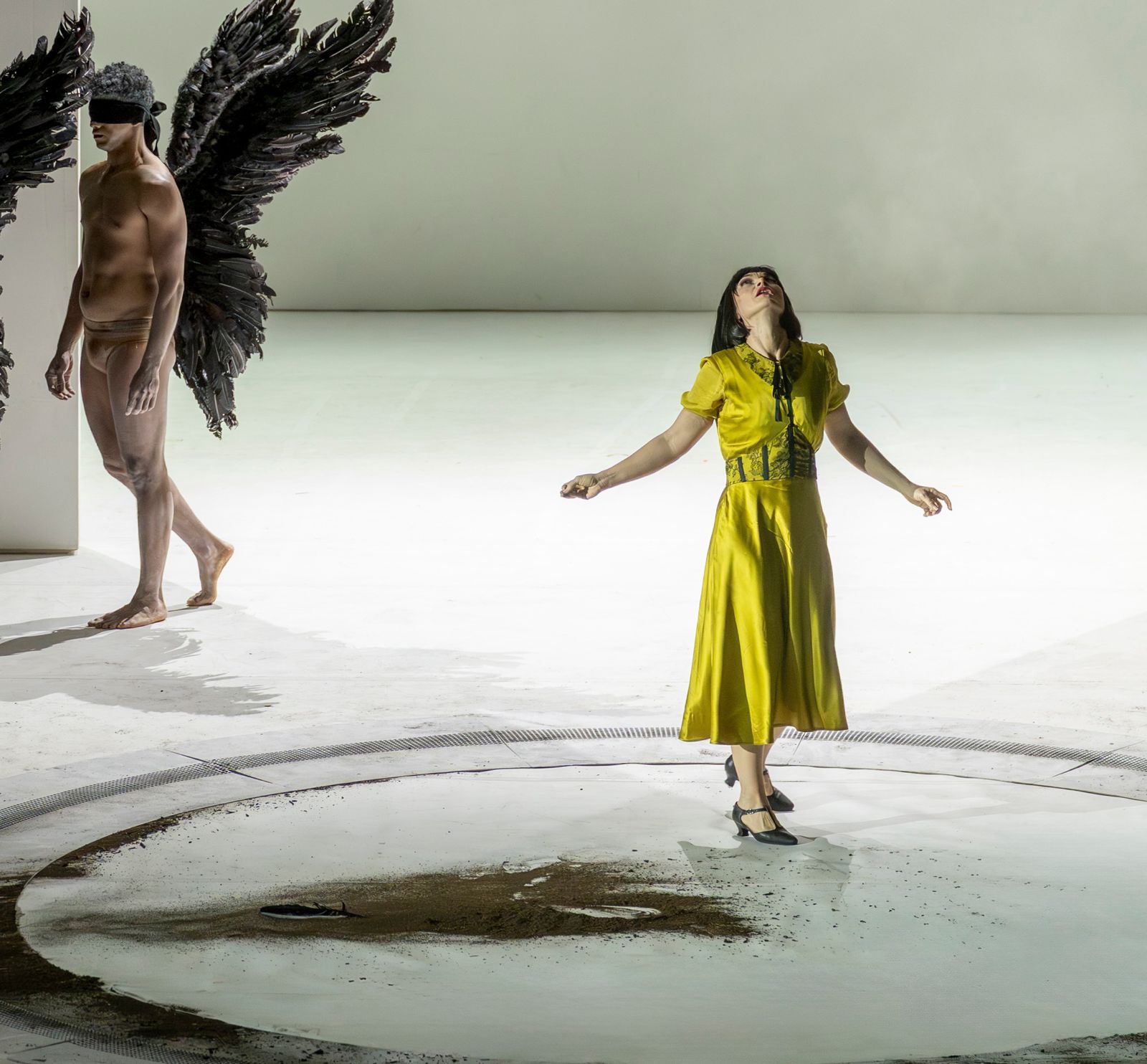
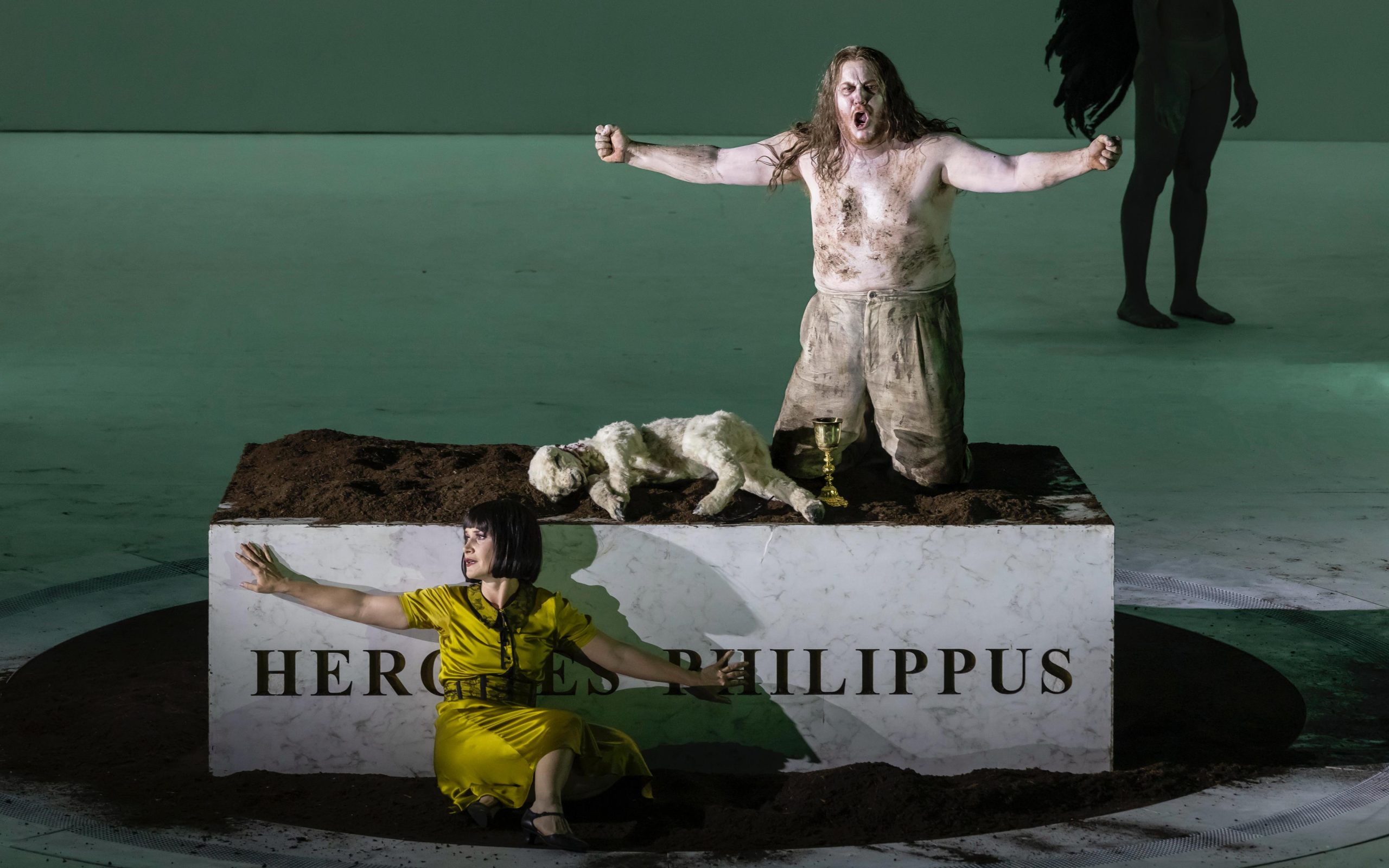
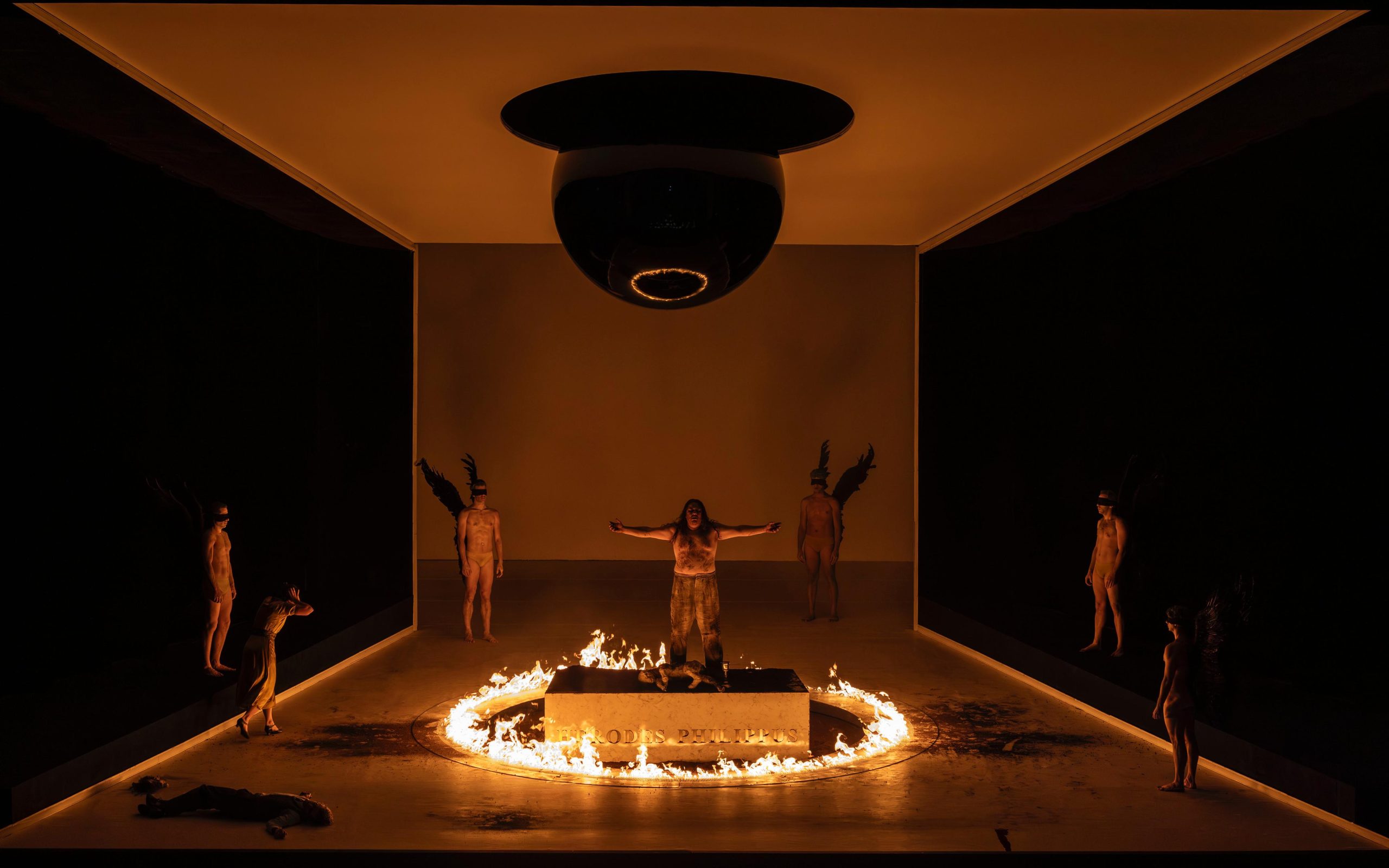
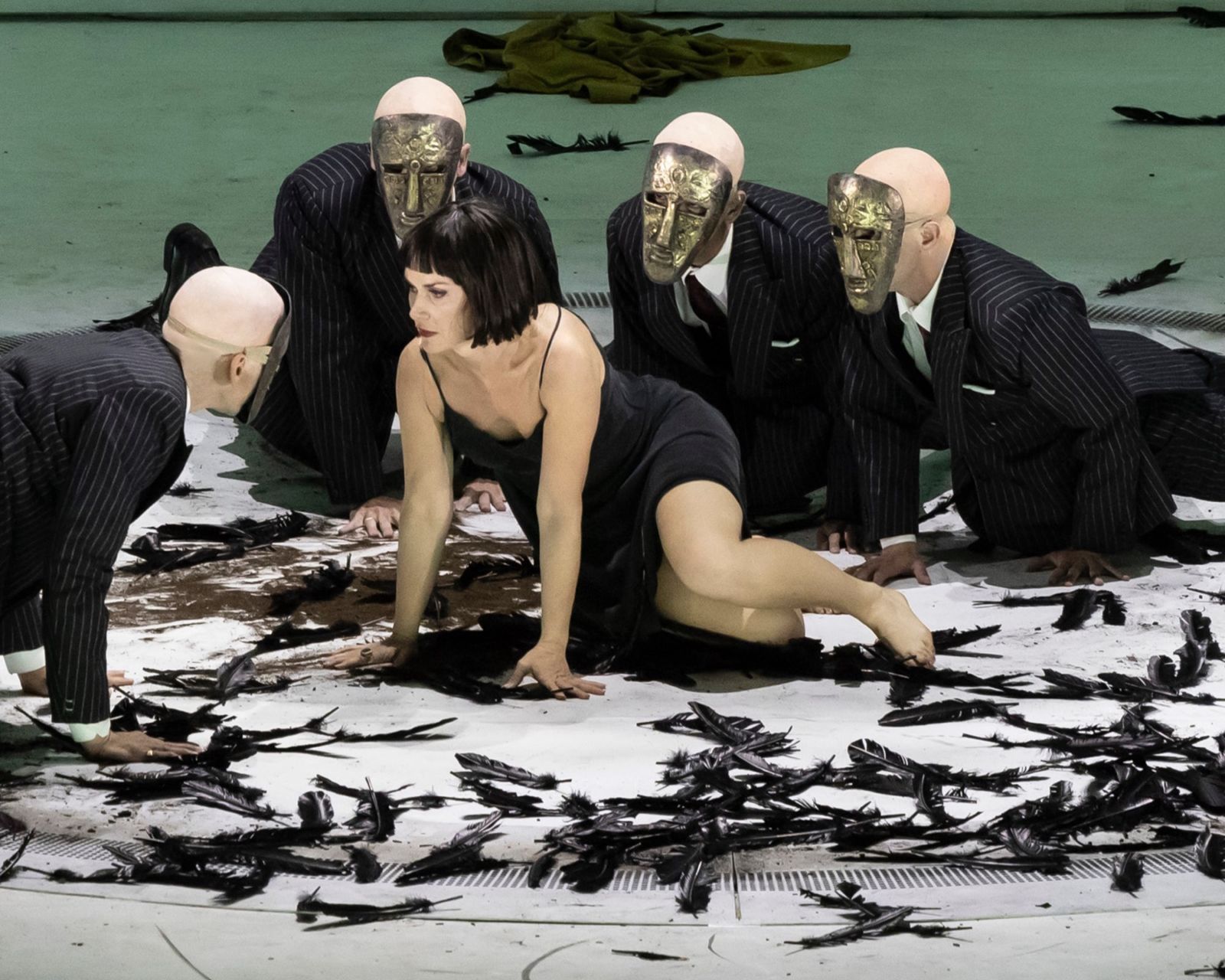
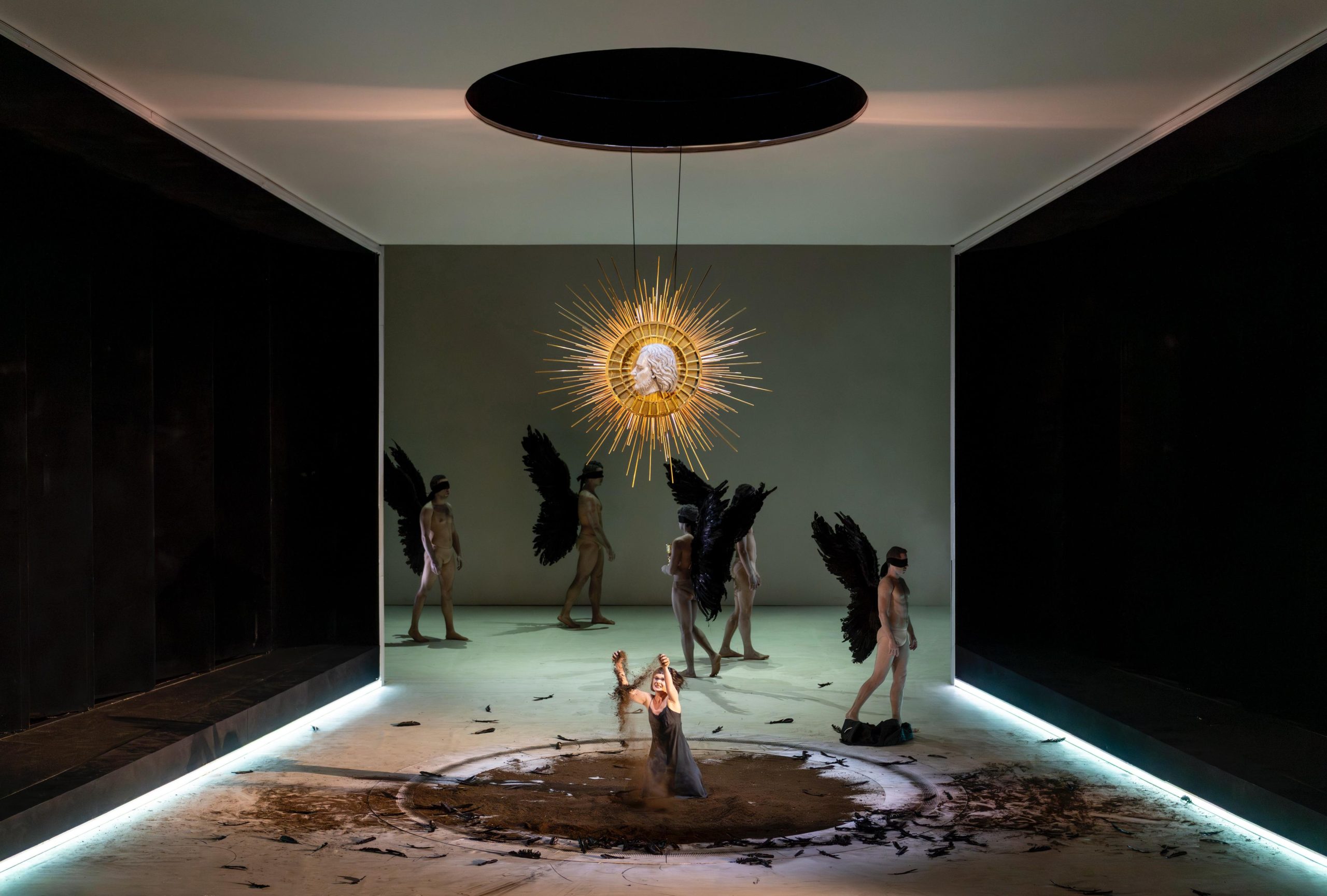
Salome at Palau de Les Arts
Despite the immense recognition that Richard Strauss’s Salome (1905) enjoys today, the opera provoked scandal during its early years: it was banned, censored, and even altered in major cultural centres such as London and New York. Strauss’s colleague and friend Gustav Mahler failed to obtain permission to stage it in Vienna, confessing so to Strauss in a famous letter: “Unfortunately, it is the sad truth. The censors reject it! I am moving heaven and earth to prevent this absurd situation, but it is in vain. I cannot express the enormous impression your opera has made on me. It is your masterpiece and confirms what I have long believed: you are a born dramatist.” The fusion of biblical imagery, erotic impulse, and sacrificial violence reveals in Salome a profoundly Dionysian undercurrent, where desire and destruction advance inexorably hand in hand. Strauss transforms this decadent universe into a musical experience of overwhelming
Blanca Vázquez
Wilhelm Furtwängler: The Conductor Who Chased the Soul of Music
In the pantheon of classical music, few figures inspire such reverence – or provoke such complex debate – as Wilhelm Furtwängler. Born in 1886 and passing in 1954, he left behind not only some of the most electrifying performances ever captured on record, but also a legacy woven with brilliance, controversy, and an almost mystical dedication to the inner truth of music. To speak about Furtwängler is to enter the world on a man who believed that sound could reveal the human condition. He did not simply beat time; he shaped time. He did not merely conduc notes; he conjured meaning. A Childhood Fed by Art and Philosophy  Wilhelm Furtwängler was raised in an atmosphere steeped in culture. His father was an eminent archaeologist, his mother a painter; the family home was filled with philosophers, musician, and artists. From childhood, he absorbed the idea that art was a moral force
Alice Lechner
Esplanade - Theatres on the Bay, Singapore: Where Modern Architecture Meets the Soul of a Young Nation
Rising like two giant, shimmering durians on the edge of Marina Bay, the Esplanade – Theatres on the Bay has become one of Singapore’s most recognizable landmarks – a bold symbol of a city that dares to imagine, innovate, and reinvent itself. More than just a performing arts center, the Esplanade is a testament to Singapore’s cultural ambition and a beacon of artistic energy for all of Southeast Asia. A National Dream Takes Shape In the early 1980s, Singapore was transforming at breathtaking speed. What had once been a modest trading post was evolving into a global economic powerhouse. But political leaders and cultural thinkers understood that a world-class city needed more than skyscrapers and financial districts – it needed a vibrant artistic heart. Thus emerged the dream of a national performing arts center: a place that would nurture creativity, host international productions, debate, and design competitions, construction began in
Alice Lechner
Giulio Cesare in Egitto at Palau de Les Arts
The music of Giulio Cesare in Egitto enveloped the Palau de les Arts Reina Sofía like a starry veil on February 28. This work, presented under the artistic direction of Jesús Iglesias, is considered one of George Frideric Handel’s masterpieces and one of the most celebrated opera seria of the Baroque period. Premiered in 1724 at London’s King’s Theatre, its libretto, written by Nicola Francesco Haym, combines historical events with dramatic and romantic elements characteristic of eighteenth-century opera seria. Handel was the principal architect of the Italian opera seasons in London: he composed the scores, adapted libretti, and prepared the music for the singers, conducting the performances from the harpsichord, as was customary at the time. For several years he worked with the Royal Academy of Music, producing Italian operas at the King’s Theatre, where he also assumed the responsibilities of a theatrical impresario. Born in 1685 in Halle, Germany,
Blanca Vázquez
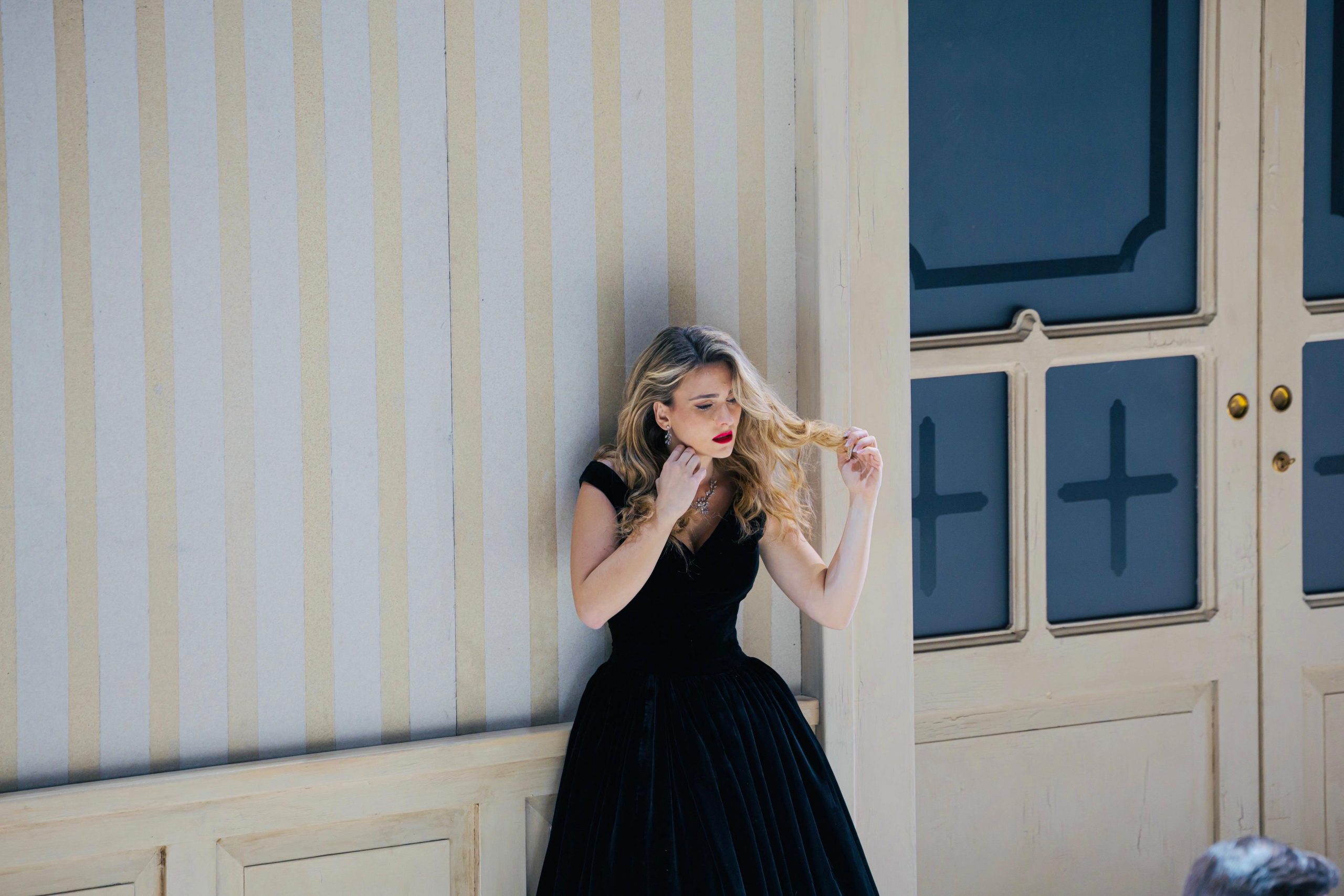
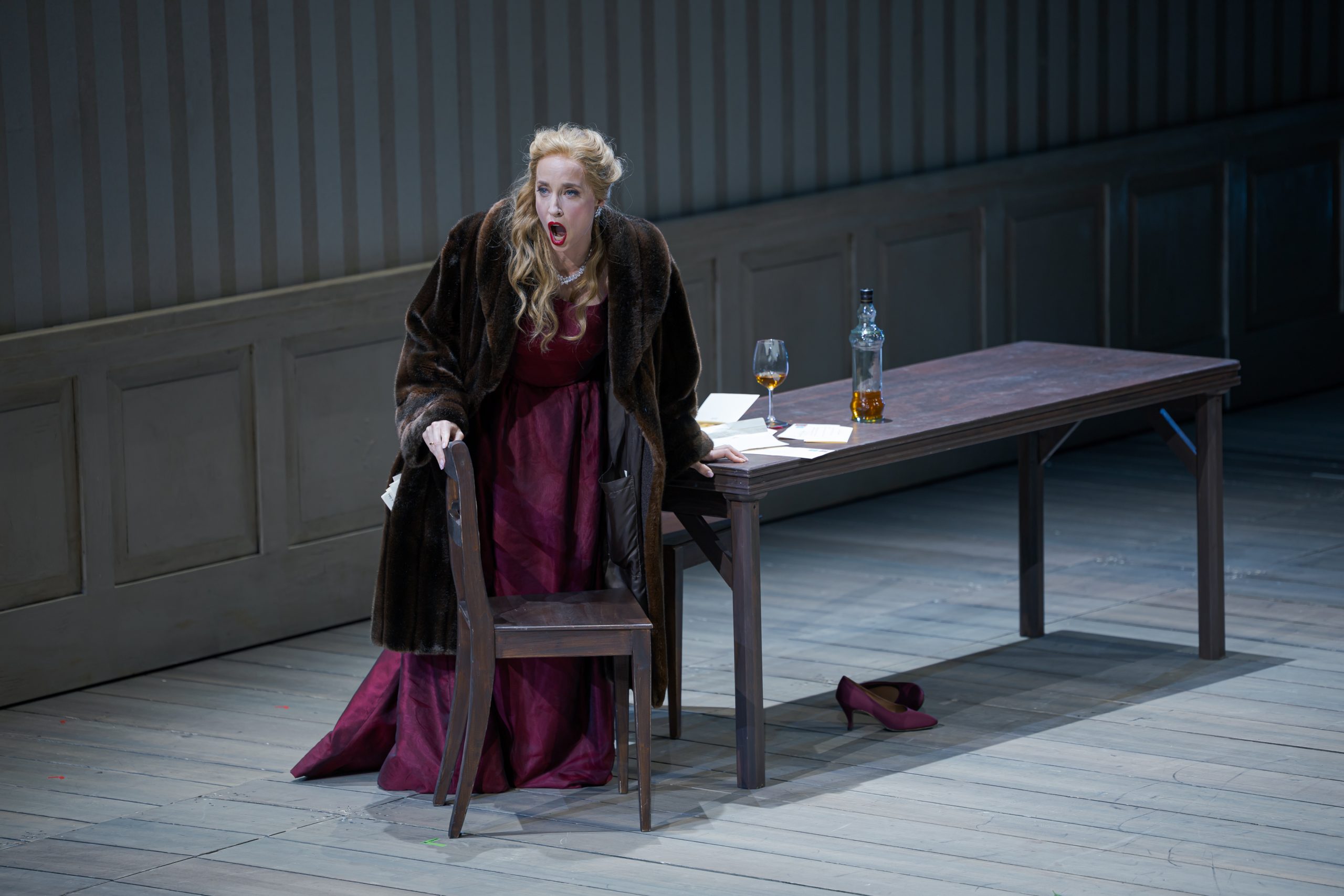
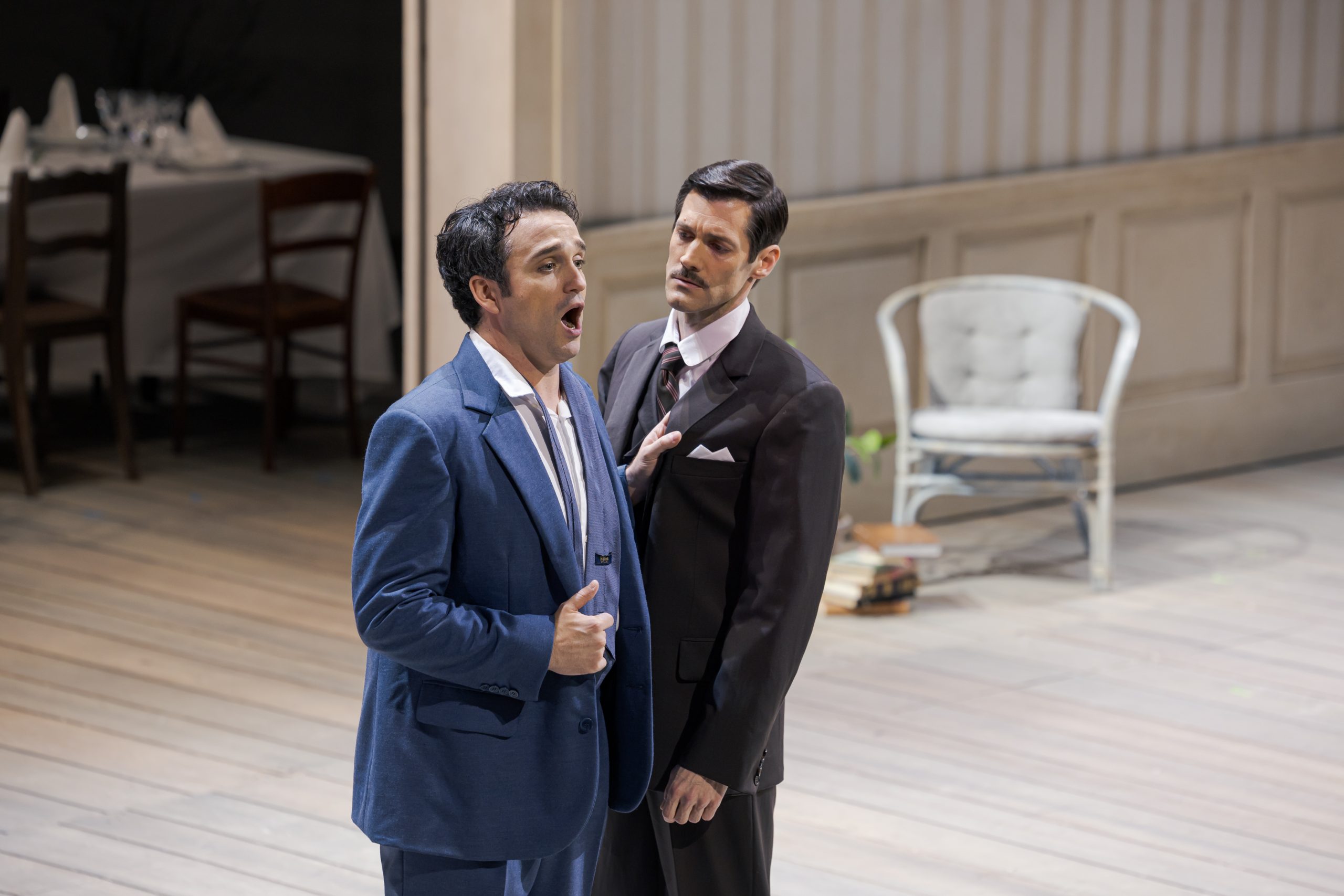
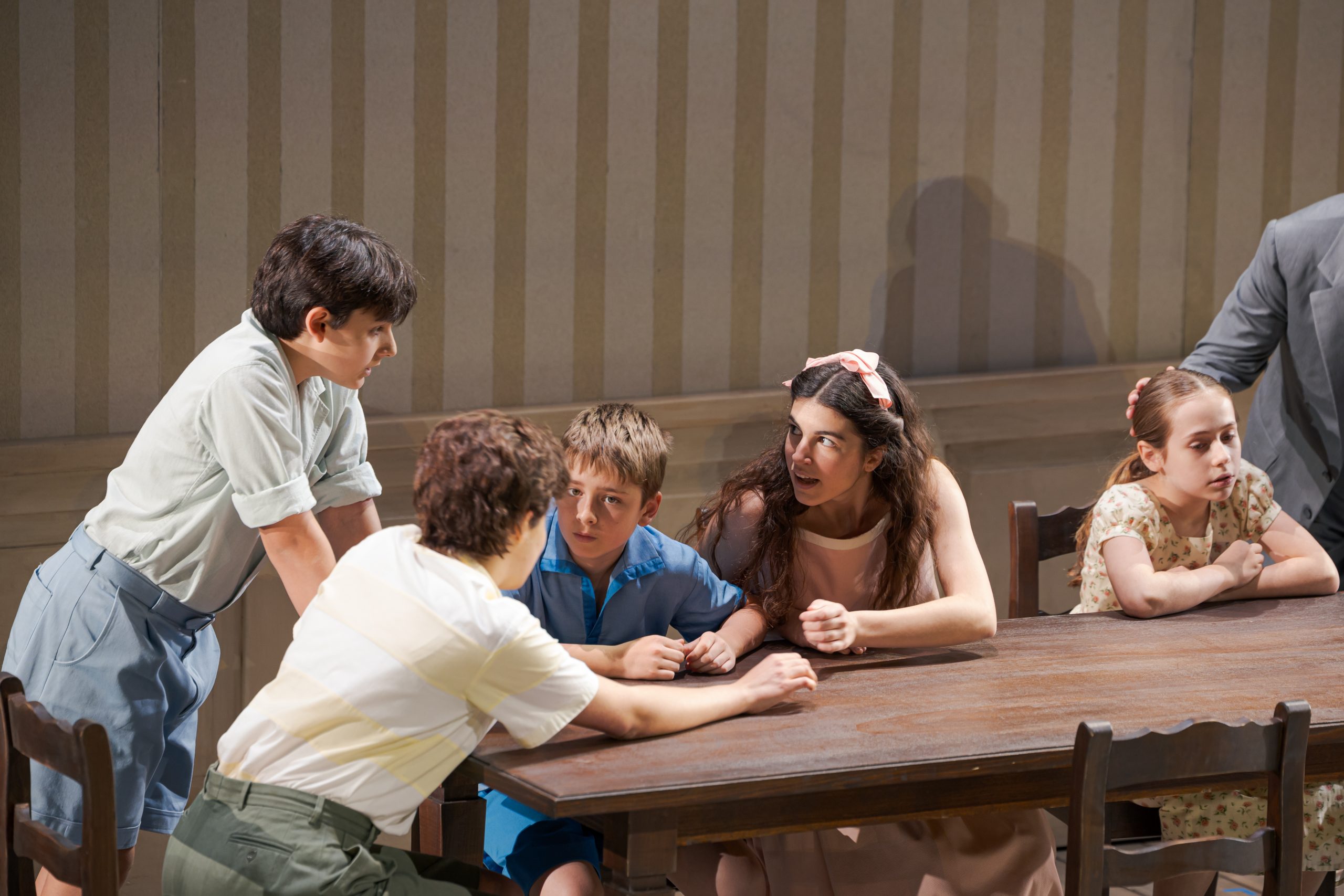
Eugene Onegin at Palau de Les Arts
Most biographies devoted to Pyotr Ilyich Tchaikovsky place the beginning of his relationship with Antonina Milyukova in early May 1877, at the very moment when he was conceiving his future opera based on the verse novel Eugene Onegin. According to the composer’s own testimony in his letters to Nadezhda von Meck, the rapid development of that intimacy—and the subsequent marriage—was shaped both by his emotional identification with the heroine created by Aleksandr Pushkin and by his desire not to repeat the literary protagonist’s coldness toward a sincere love. This was compounded by Milyukova’s insistent requests for meetings, accompanied by threats of suicide in the event of refusal. The fact that the operatic idea did not fully crystallize until two weeks after the suggestion made by the singer Yelizaveta Lavrovskaya on May 13/25 allows the choice of subject to be interpreted as a direct reflection of the composer’s personal situation: a
Blanca Vázques

SUBSCRIBE TO OUR

OPERA CHARM

MAGAZINE

Alice Lechner

Alice Lechner comes from a music-loving family. Her first encounter with the opera universe was at the tender age of six. The grandeur of the stage productions and costumes, the backstage chatter, and last, but definitely not least, the music left her in awe, beginning with Mozart’s Don Giovanni. The overall feeling that opera awakens in anyone who gets a glimpse into this part of artistic eternity, that each and every day passes the test of time, was what drew her to stay and be a part of this world. The Opera House of Brașov became her second home, and the people who worked there were her second family.

Since then, Alice has devoted her spare time to maximising her musical knowledge through instrumental studies, studying both piano and violin for a short time. In the following years, her number one passion stepped out of the limelight and graciously gave way to Law Studies.
Since 2018 she has been studying Law at “Alexandru Ioan Cuza” University in Iași.

Her passion for opera, even if it is no longer her top professional priority in terms of career, it has most definitely become her priority during her free time. Wanting to experience the best of both worlds and extend her musical horizons, she regularly attends opera performances throughout Romania and abroad.
With OPERA Charm Magazine, Alice aims to nurture her creative side to help it flourish and bloom and to discover, alongside the magazine’s readers, the fascinatingly complex world of opera.

Currently, she is an LL.M. in Business Law at “Alexandru Ioan Cuza” University in Iași.
Oana Zamfir

Oana Zamfir is a second year MA student at the “George Enescu” National University of Arts, at the Department of Musicology.

She studied violin for 12 years at the “Stefan Luchian” High School of Art in Botosani, later focusing on the theoretical aspects of music. In 2019 she completed her bachelor studies in Musicology as a student of the National Academy of Music “Gheorghe Dima” in Cluj-Napoca. Her research during 2018-2019 brought to the forefront elements of the archaic ritual within works of composers who activated during the communist period, giving her the opportunity to start a research internship at the “Carl von Ossietzky” University in Germany. In this context, she recorded conversations with members of the Sophie Drinker Institute in Bremen, and had access to documents directly from the Myriam Marbé archive.

Since 2019 she has been a teacher of Music Education and Theoretical Music Studies, making full use of interactive methods in the musical training of students and working, at the same time, with the children’s choir founded in the first year of her activity.

Her interests include pursuing a degree in interior design in 2020.

Alexandru Suciu

Alexandru Suciu inherited his passion for art growing up in a family of several generations of musicians. He began his musical studies at the “Augustin Bena” School of Music in Cluj, where he studied piano and guitar. Even though his main study direction was philological, his passion for music prevailed. He began his academical journey at the Faculty of Letters of the “Babeș-Bolyai” University, studying Comparative literature and English. He continued by studying Opera Singing at the “Gheorghe Dima” National Music Academy. He also graduated the Musical Education section, followed by Artistic Directing at the Musical Performing Arts department.

His multidisciplinary education opened the doors towards research, which is seen both through his participation in national and international conferences and symposia, such as the Salzburg Easter School PhD-forum, organized by the Salzburg Universität or the Silesian Meeting of Young Scholars, organized by the Institute of English at the University of Silesia, as well as the collaboration with Opera Charm Magazine.

During his student years, he won several prizes, including the Grand Prize at the “Paul Constantinescu” National Musical Interpretation Competition, the Romanian Composers and Musicologists’ Union Prize at the same competition, the First Prize and the Schubert Prize at the “Ada Ulubeanu” Competition.

He further developed his artistic skills by specializing in courses and masterclasses held by personalities such as Vittorio Terranova, Giuseppe Sabbatini, Marian Pop, Ines Salazar, Riccardo Zanellato, Paolo Bosisio, Valentina Farcaș and Manuel Lange in contexts such as the Internationale Sommerakademie für Operngesang Deutschlandsberg, Corso Internazionale di Canto Lirico I.M.C. Licata or the Europäische Akademie für Musik und darstellende Kunst Montepulciano. Besides his activity on-stage, he currently teaches Opera Singing Didactics, and Pedagogical Practice within the Department for Teacher Education and Training at the “Gheorghe Dima” National Music Academy.

Cristina Fieraru

Cristina is a 24 year-old Romanian soprano & a student at the National University of Music Bucharest, where she pursues the MA program in Vocal Performance.

She made her debut in Pamina from “Die Zauberflöte” by Wolfgang Amadeus Mozart at only 19 years old at the Bucharest National Opera House, as a member of the Ludovic Spiess Experimental Opera Studio. Over the years she made her debut in roles such as Contessa d’Almaviva (Le nozze di Figaro), Mimì & Musetta (La Bohème), Alice Ford (Falstaff), Erste Dame (Die Zauberflöte) in her university’s opera productions.
Her passion and experience extends in the field of choral music, too.

She has been part of our dream team since the fall of 2021. For a good period of time she took care of OPERA Charm’s social media and took you on the monthly journey through the history of opera through our Legends rubric – and a few times through the Theaters around the World rubric.

Her little soul rubric – from 2021 to present – is definitely the Conductors of the Future, where, every month, she gives you the chance to meet a young star of the world of conducting and, of course, to find out what’s the most charming feature of opera in these artists’ views.

BIANCA L. NICA

Lorem ipsum dolor sit amet, consetetur sadipscing elitr, sed diam nonumy eirmod tempor invidunt ut labore et dolore magna aliquyam erat, sed diam voluptua. At vero eos et accusam et justo duo dolores et ea rebum. Stet clita kasd gubergren, no sea takimata sanctus est Lorem ipsum dolor sit amet. Lorem ipsum dolor sit amet, consetetur