
Despite the immense recognition that Richard Strauss’s Salome (1905) enjoys today, the opera provoked scandal during its early years: it was banned, censored, and even altered in major cultural centres such as London and New York. Strauss’s colleague and friend Gustav Mahler failed to obtain permission to stage it in Vienna, confessing so to Strauss in a famous letter: “Unfortunately, it is the sad truth. The censors reject it! I am moving heaven and earth to prevent this absurd situation, but it is in vain. I cannot express the enormous impression your opera has made on me. It is your masterpiece and confirms what I have long believed: you are a born dramatist.”
The fusion of biblical imagery, erotic impulse, and sacrificial violence reveals in Salome a profoundly Dionysian undercurrent, where desire and destruction advance inexorably hand in hand. Strauss transforms this decadent universe into a musical experience of overwhelming intensity, driven by a chaotic force that remains deeply unsettling more than a century after the opera’s premiere.
Beyond its historical scandal, however, Salome endures as one of the supreme achievements of musical Expressionism. Its revolutionary harmonic language—densely chromatic, dissonant, and under constant tension—forever transformed twentieth-century operatic dramaturgy. Conceived as a single act of relentless emotional pressure, the score unfolds through a monumental and exquisitely refined orchestration that captures with almost surgical precision the decadent, feverish, and psychological atmosphere of Oscar Wilde’s text.
The fascinating performance of Vida Miknevičiūtė impressed not only through the sheer breadth and projection of the voice, but also through the dramatic intelligence with which she shaped a Salome that was complex, sensual, and deeply disturbing. The soprano displayed extraordinary artistic maturity in a role she has already performed at leading European houses such as the Finnish National Opera and Ballet, the Latvian National Opera and Ballet, the Hamburg State Opera, and the Vienna State Opera.
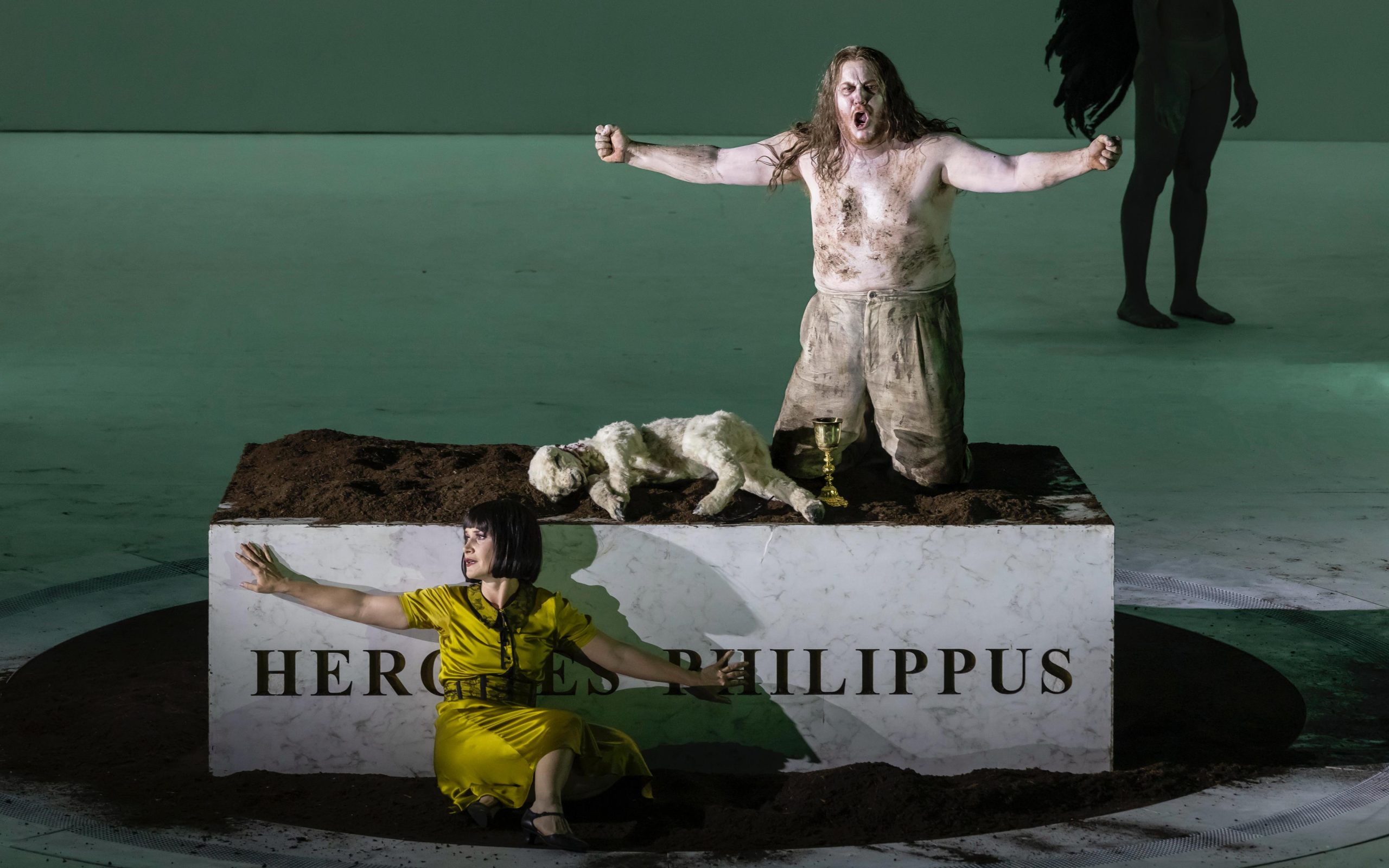
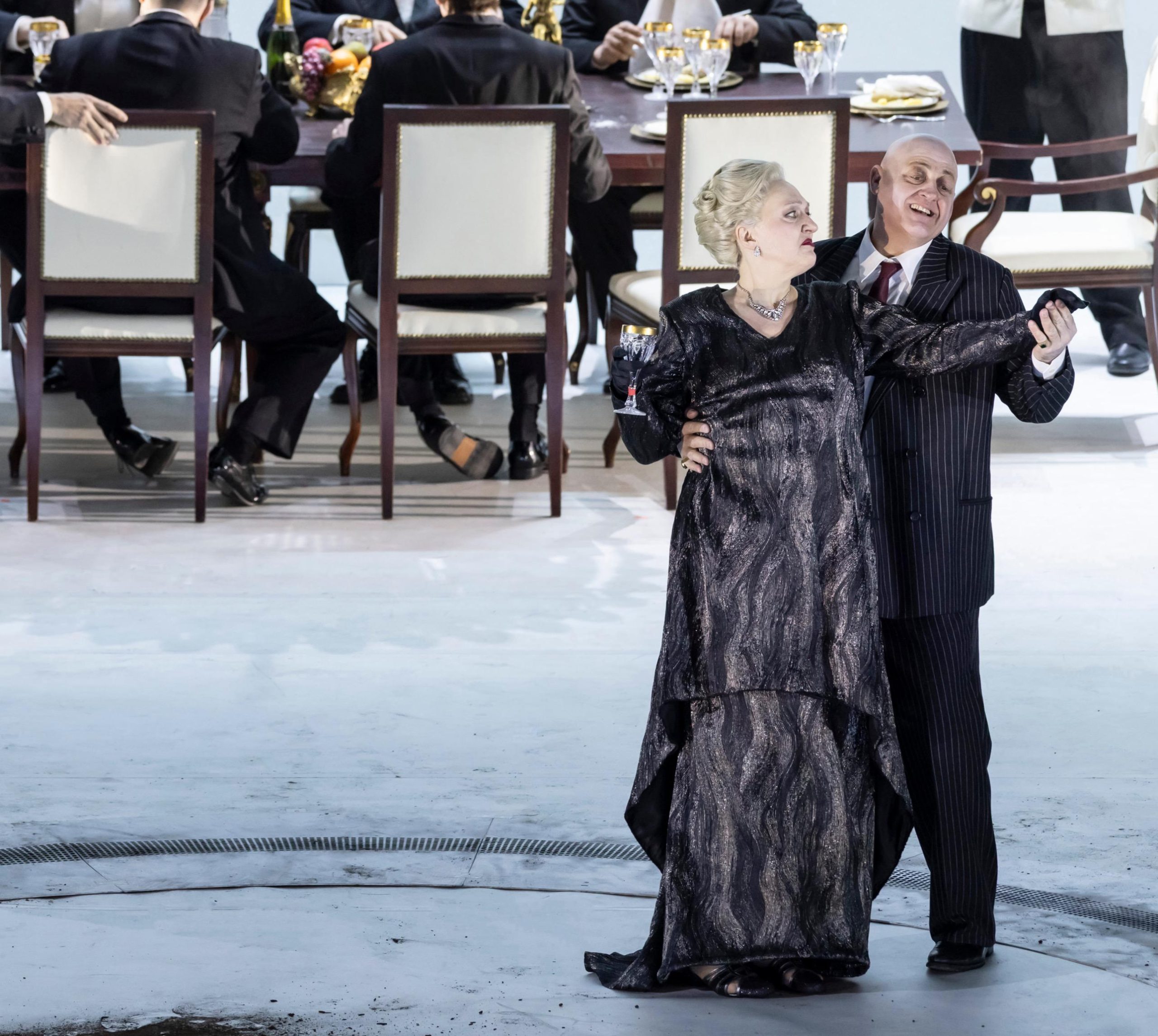
John Daszak also delivered a Herod of immense theatrical impact. His mastery of psychologically extreme and vocally demanding characters resulted in a performance of remarkable intensity, unease, and expressive sophistication. Alongside him, Michaela Schuster created a Herodias of considerable dramatic authority, supported by a mature voice and extensive experience in the German repertoire.
As Jochanaan, Nicholas Brownlee stood out for the nobility of his timbre and the firmness of his vocal delivery, endowing the prophet with an imposing sonic presence. Meanwhile, Christopher Sokolowski offered a particularly personal and tormented Narraboth, intensely underscoring the fatalism that surrounds the character from his very first appearance.
Among the supporting cast, special mention must be made of Lioba Braun, excellent as Herod’s Page, and Jorge Rodríguez-Norton, one of the Jews, who distinguished himself with a richly coloured, well-projected, and musically incisive voice.
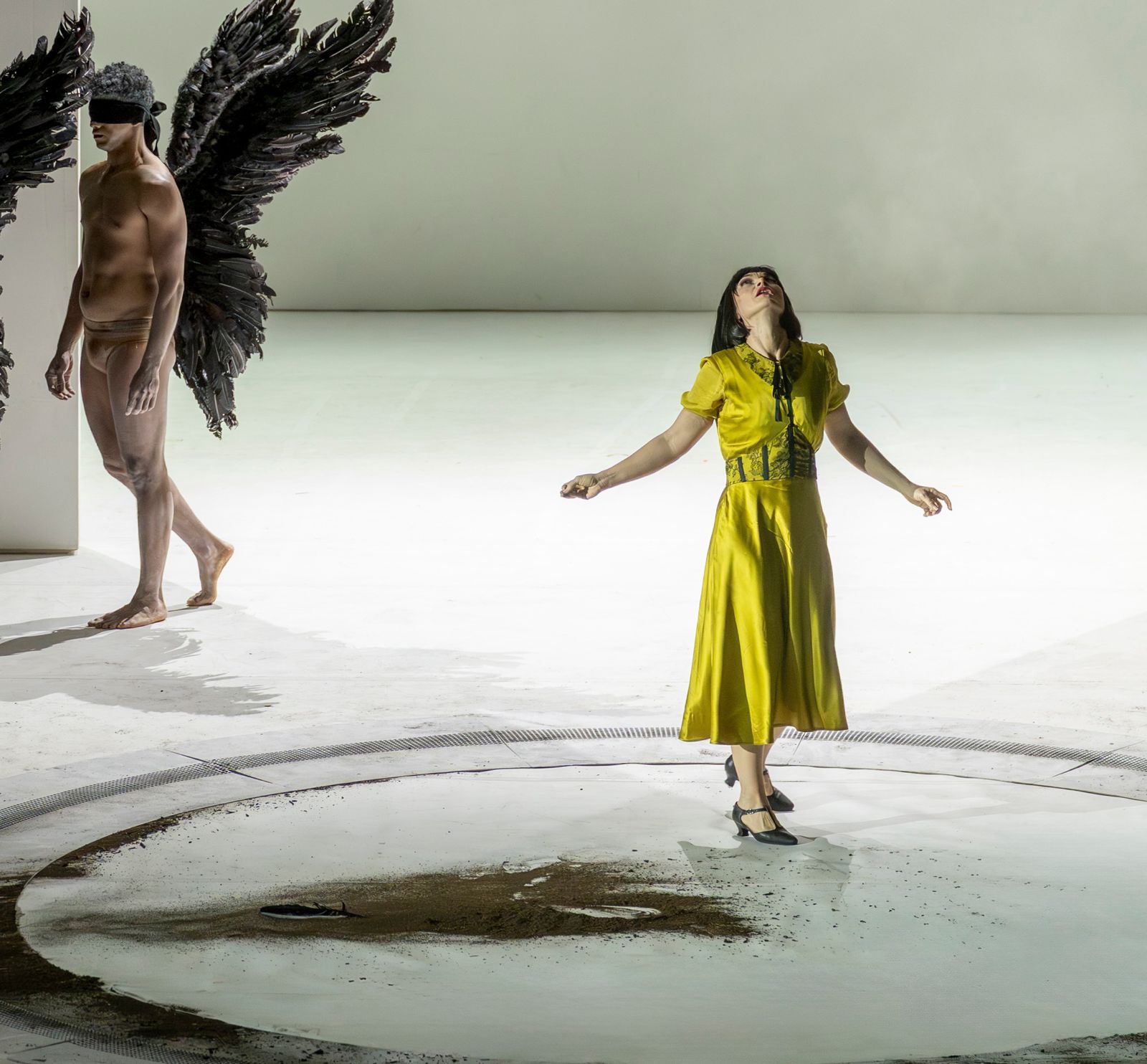
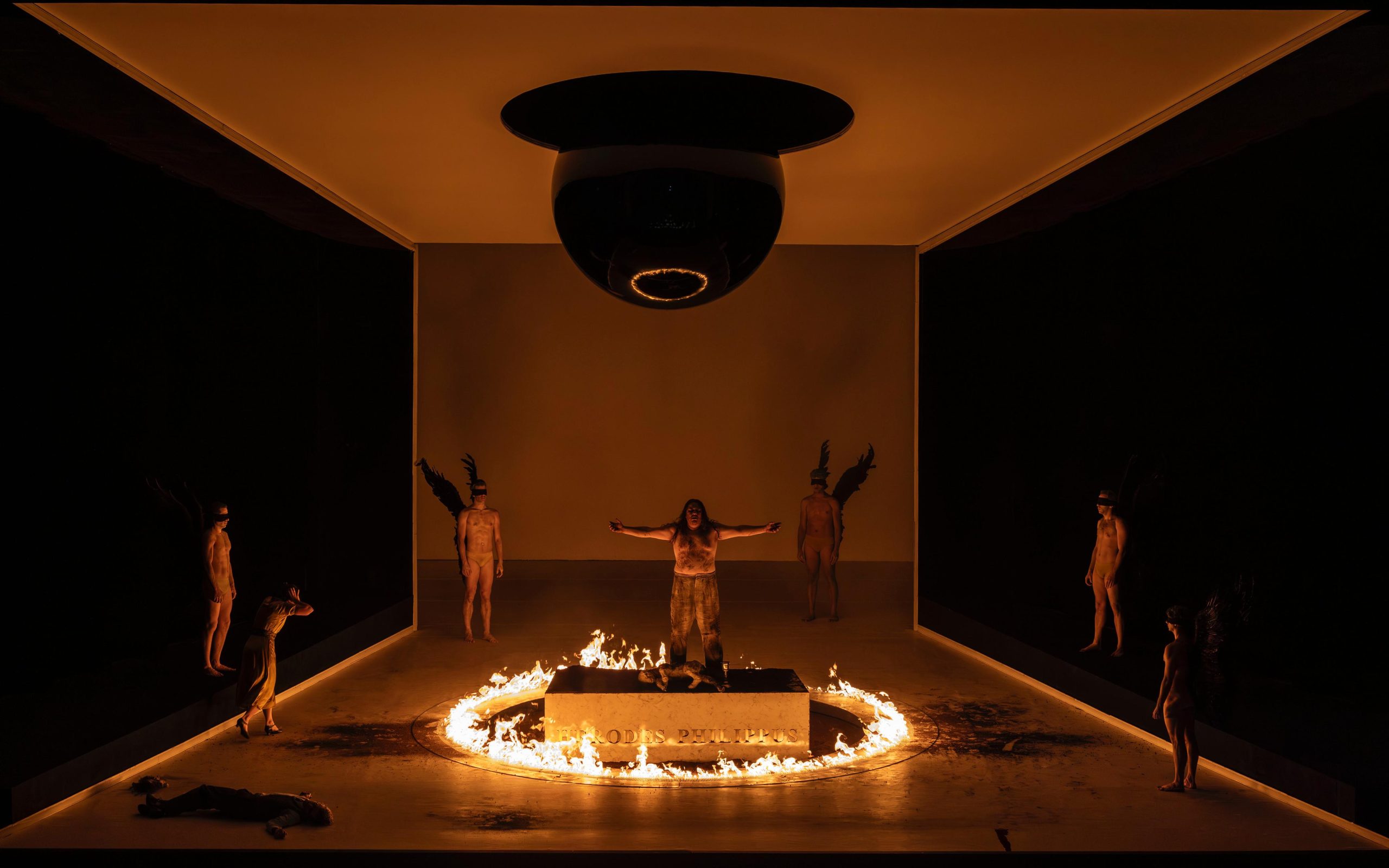
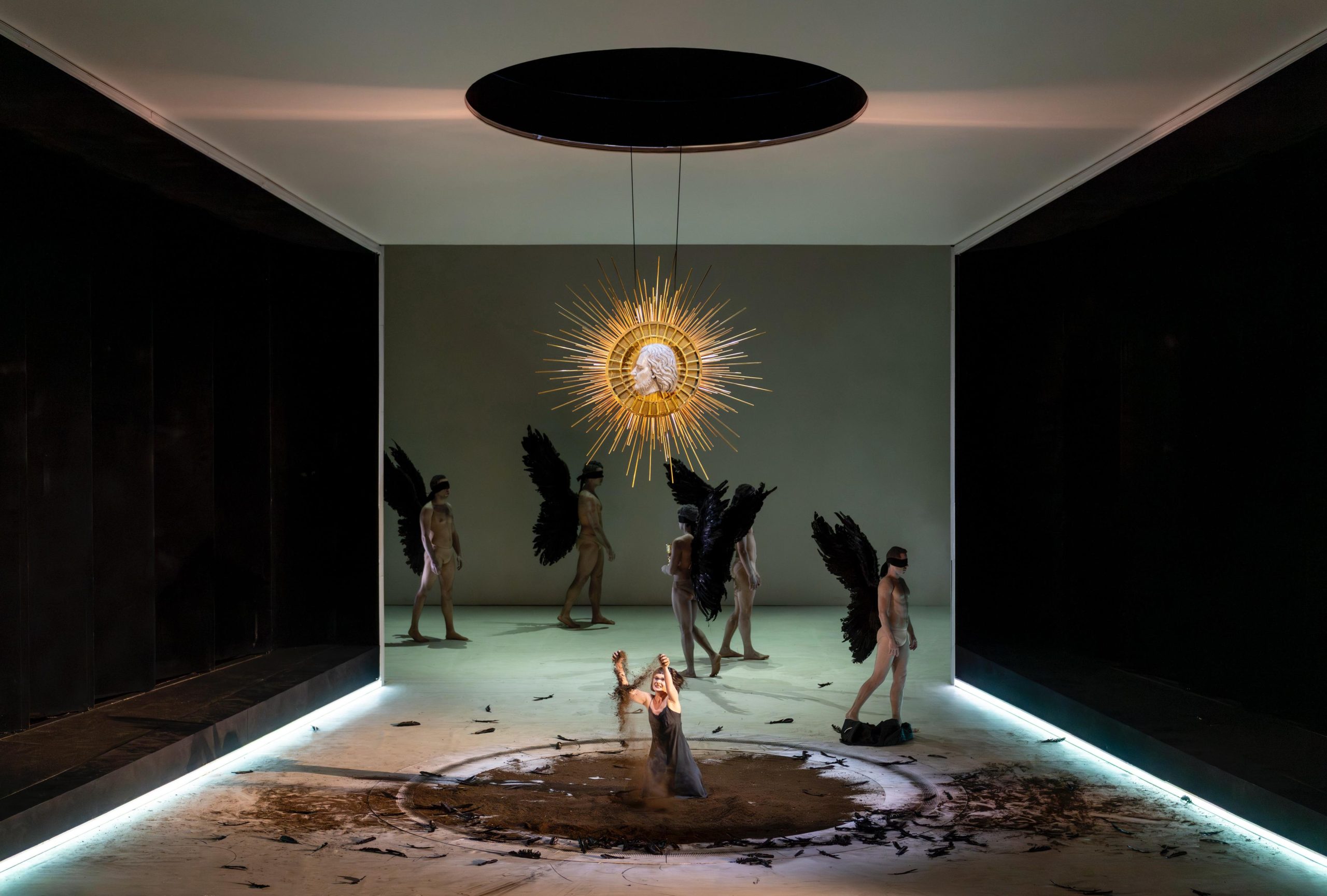
Strauss’s dazzling score found its ideal counterpart in the stage direction of Damiano Michieletto, the architect of a production both solid and richly symbolic. His concept, remarkable for its dramatic clarity, introduced images of striking poetic power: black angels fallen from heaven, flames engulfing Jochanaan’s prison, an imposing dark sphere dominating the stage, and the presence of a young girl functioning as an unsettling double of Salome herself. The set design by Paolo Fantin, built upon an intelligent interplay of contrasts and textures, immersed the audience in an oppressive, dreamlike atmosphere, enhanced by the refined lighting of Alessandro Carletti and the elegant costumes of Carla Teti.
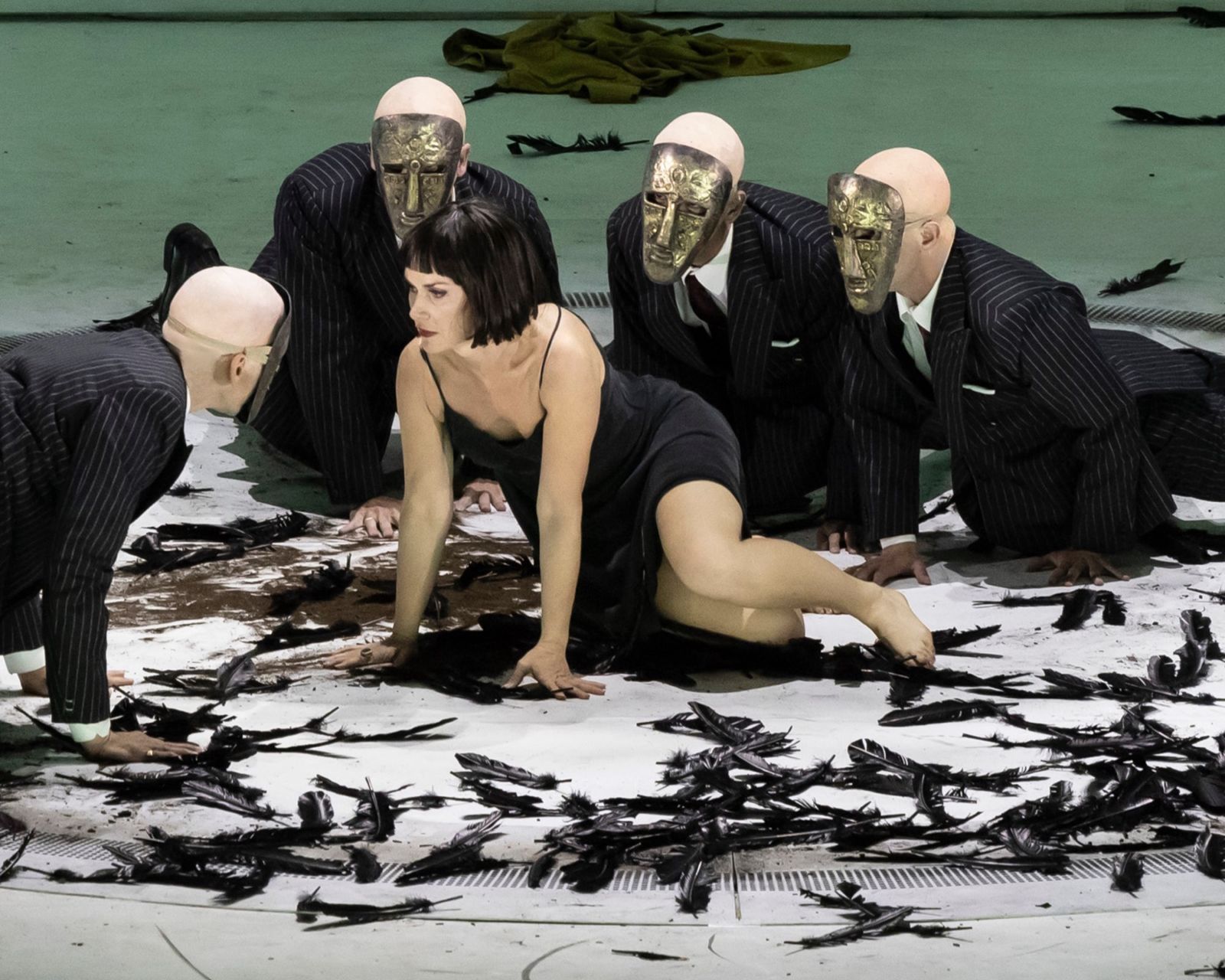
Special mention must also be given to the celebrated “Dance of the Seven Veils,” choreographed by Thomas Wilhelm and conceived here as a disturbing, ritualistic vision culminating in an image of extraordinary theatrical force: an almost mythical Salome surrounded by masked male figures.
If the performance reached such an exceptional level, it was also thanks to the extraordinary work of the Orquestra de la Comunitat Valenciana, an ensemble consistently admirable in the great operatic repertoire. Under the baton of James Gaffigan, the orchestra achieved an exemplary balance between sonic exuberance and expressive subtlety, unleashing moments of genuine exaltation without ever sacrificing transparency or sensitivity. A Salome of the highest musical and theatrical calibre that will undoubtedly remain in the memory of Valencian audiences for a long time to come.