
Few opera singers have left behind a voice as unforgettable as Boris Christoff. Deep, dark, and commanding, Christoff didn’t simply sing—he dominated the stage. Audiences described his performances as electrifying, with a voice so powerful it seemed to vibrate through the walls of the theater. Even today, decades after his death, many opera lovers still consider him one of the greatest bass singers of all time.
Born in Bulgaria in 1914, Christoff’s path to opera was anything but ordinary. Before stepping into the spotlight, he studied law and even considered a completely different career. Music, however, proved impossible to resist. After joining a choir in Sofia, his extraordinary talent quickly became impossible to ignore. A scholarship later took him to Italy, where he trained rigorously and developed the rich vocal style that would make him famous across Europe. Under the guidance of renowned teachers, he refined not only his vocal technique but also the dramatic intensity that would later define his career.
Christoff’s rise after World War II was dramatic. He conquered legendary stages like Teatro alla Scala and Royal Opera House, earning admiration for both his voice and his intense acting ability. Unlike many opera singers of his era, Christoff approached every role like a theatrical performance. He studied his characters obsessively, bringing emotional depth and psychological complexity to the stage. Critics frequently praised his ability to transform historical and fictional figures into living, breathing personalities filled with emotion and conflict.
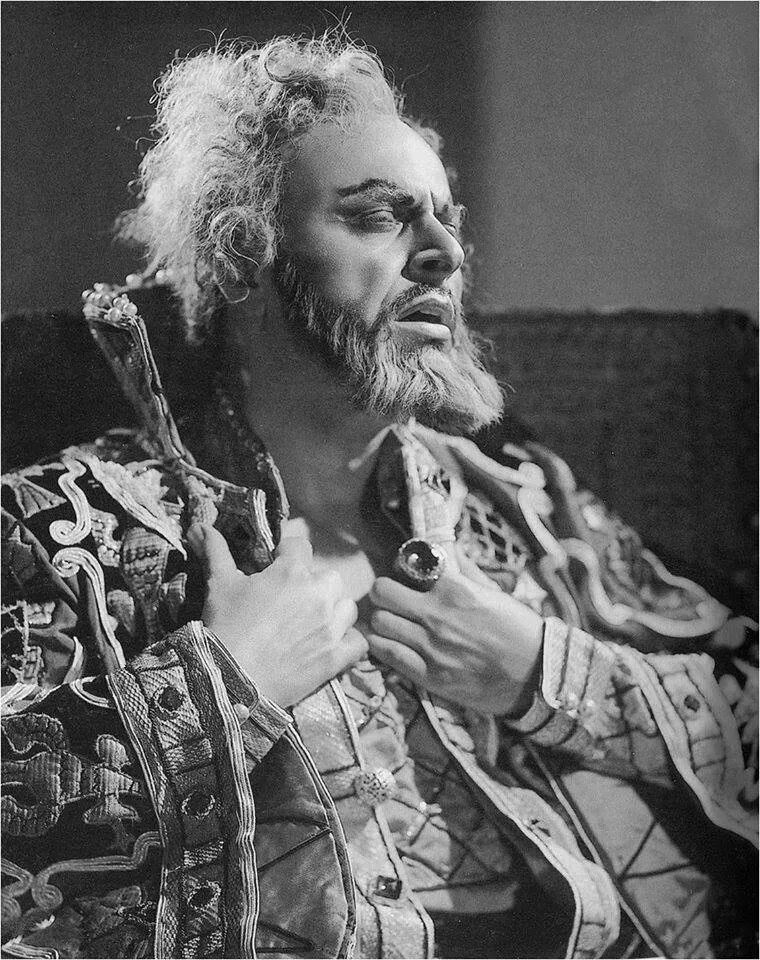
One role became forever linked to his name: Boris Godunov. Christoff’s interpretation of the troubled Russian tsar was so convincing that critics called it definitive. In one astonishing production, he even performed three separate roles in the same opera — a rare achievement requiring exceptional vocal control and dramatic versatility. Few singers before or since have managed it so convincingly. His understanding of Russian repertoire was especially admired, and many listeners believed his voice possessed the ideal color and gravity for the great Slavic operatic roles.
Beyond Russian opera, Christoff also excelled in the works of composers such as Giuseppe Verdi and Wolfgang Amadeus Mozart. Whether portraying kings, priests, or villains, he brought the same level of intensity and detail to every performance. His portrayals often balanced immense authority with surprising vulnerability, allowing audiences to see the humanity beneath even the most imposing characters. This emotional realism helped distinguish him from many of his contemporaries.
But Christoff’s career was also shaped by politics. During the Cold War, tensions between East and West sometimes restricted his travel and performances. In one famous incident, he was denied entry to the United States because of political concerns linked to his Bulgarian background. Yet the barriers only added to his mystique. While governments limited his movement, his recordings traveled freely around the world, turning him into an international legend. For many opera lovers who never had the chance to see him live, those recordings became treasured documents of one of the century’s most extraordinary voices.
Offstage, Christoff was known as passionate, perfectionistic, and fiercely dedicated to his craft. He demanded emotional honesty in every performance and was said to rehearse tirelessly until every phrase carried exactly the right intensity. Colleagues admired him, though some also found him intimidating—much like the powerful characters he portrayed on stage. Despite his imposing reputation, those close to him often described a deeply cultured and thoughtful man devoted entirely to music and artistic excellence.
As recording technology expanded during the mid-20th century, Christoff’s fame reached far beyond Europe’s opera houses. His interpretations circulated through radio broadcasts and vinyl records, introducing new generations to the grandeur of opera. Young bass singers studied his phrasing, diction, and dramatic instincts, while critics continued to regard his performances as benchmarks of the repertory. Even today, many of his recordings remain definitive versions for collectors and opera enthusiasts alike.
Today, Boris Christoff remains more than an opera singer; he is a symbol of artistic force. His recordings continue to inspire young performers, and his voice — dark, thunderous, and deeply human — still captivates listeners generations later.